Justice Calling by Annie Bellet

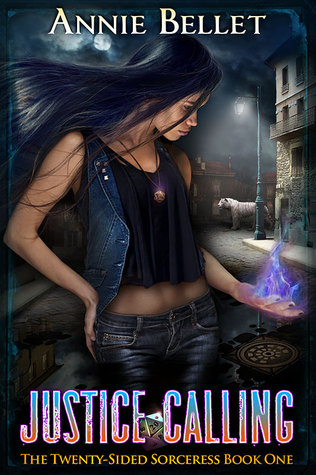
22836752The cover is what really captured my attention with this book. It’s a beautiful piece of artwork and does a wonderful job at conveying the kind of experience you’re in for. Jade Crow is a comic shop owner in a town populated by shifters, and she herself is a sorceress hiding her true nature in order to keep both her and her friends safe. But when a Justice, basically a shifter version of an investigator, comes to town, she gets drawn into an adventure that risks her exposing herself to the forces that are searching for her.

The book’s a lot of fun. Bellet has a wonderful voice and sense for dialogue. And that really pays off, because the book is written in first-person from Jade’s POV and it results in some very snappy prose. The action is very clear and easy to follow and I love that Bellet doesn’t waste any words. It’s a short read, but I found that to be a benefit as I prefer these kinds of shorter books.

As far as weak points, although I’m a geek myself, I did find some of the geek references to be a bit overdone. The major quibble would be that I didn’t feel the main villain was as developed as he could be.

But there is a sense in the book that you’re just getting a taste of a much larger world and adventure. I enjoyed it enough that I’m planning to continue on with the second book.
Pick up Justice Calling from Amazon or iTunes.

X-Men: Days of Future Past – The Rogue Cut

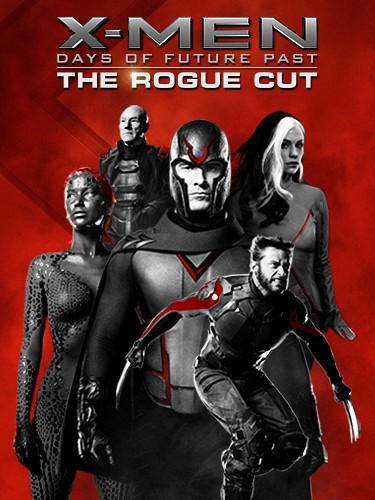
X-Men-Days-of-Future-Past-Rogue-Cut-Cover-ArtI was pretty disappointed when I didn’t find out until after I bought X-Men: Days of Future Past that there was an extended edition that wouldn’t be released for another year. I’m not going to pay Fox twice for the same movie, so I just rented this one instead. And I’m glad I didn’t buy it again because there’s not a whole lot this extended edition brings to the table.

NOTE: Some spoilers follow, so you may not want to read on unless you’ve seen this.

There are some extended and additional scenes in the movie. We get to see a scene where the future X-Men actually have a chance to act as real people and not just special effects. There’s a great scene with Bishop—who appears to be the leader of this future group—debates the ethics of time travel with the older X-Men, arguing that if they do this, he and the rest of his team may never even be born. It’s a really good scene that should have been in the final cut. And I wish we got more moments of this where we can see the other characters get an opportunity to shine. It would have been preferable to rehashing the Magneto/Xavier bromance for the fifth time (and counting if my predictions about X-Men: Apocalypse prove true).

There’s also another scene where Mystique returns to the mansion and gets pretty affectionate with Beast. It was a pretty good scene, but it’s mostly held up by Jennifer Lawrence. Nicholas Hoult is still incredibly miscast as Hank McCoy. He’s got none of the humor or wit that characterizes the Beast.

It’s kind of funny that this is called “The Rogue Cut” because Rogue has such a small presence in the movie. The basis for that title is for an added sequence in the future. In the theatrical cut, when Wolverine sees Stryker in the past for the first time, he has a freak-out that causes his body in the future to spasm and he accidentally injures Kitty in the process. Kitty manages to hold it together for the rest of the movie, though. But in this cut, Iceman says she can’t hold out much longer and tells them that if they can get Rogue, she can take Kitty’s powers and keep Logan in the past. Magneto and Professor X think Rogue is dead, but it turns out she’s still alive and being held captive in the mansion, experimented on by the Sentinels’ human conspirators.

The three mount a rescue attempt, with Xavier piloting the jet and Magneto and Iceman breaching the mansion. This is a great scene where we get to see Ian McKellen being a badass Magneto (probably for the last time). They free Rogue at the expense of Iceman, who’s killed, and take her back to the base where she takes Kitty’s powers and keeps Logan in the past. It also shows how the Sentinels found the X-Men because as they were trying to escape, a Sentinel latched onto them and though it was thrown off, its arm remained, signaling its brothers.

So Rogue’s presence in this movie is pretty much the same as it was in the other movies—she’s a damsel in distress who needs rescuing and ultimately does nothing of any real consequence. Which is a real disappointment for a character who is so dynamic in the comics.

A lot of the other problems with the movie are still there. Evan Peters is still basically playing Impulse instead of Quicksilver, there’s far too much reliance on the Xavier/Magneto bromance, and I really wish we would have seen more of the future. The few glimpses we got with the human conspirators and the added interactions between the future X-Men tell me that’s where the really interesting stuff was happening.

Batman: Arkham Knight

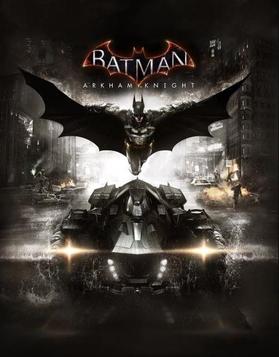
Batman_Arkham_Knight_Cover_ArtOne of the games I’ve been looking forward to ever since it was announced was Batman: Arkham Knight. And now that it’s out and I’ve finally had a chance to play it, my feelings are kind of mixed.

I picked up the season pass pre-order version from the PlayStation Network. A decision I hope I won’t come to regret like I did when the season pass for Arkham Origins turned out to be a colossal disappointment.

Rocksteady, the developers responsible for Arkham Asylum and Arkham City, are now back in the world of Gotham after giving WB Montreal the chance to make Arkham Origins. And while this should be cause for celebration after how disappointing Origins was, this game still falls short of being truly excellent.

First off, what works. The game looks beautiful on the PS4. There are improvements to the combat and predator systems which make it a lot of fun. One of my favorite additions is the fear multi-takedown in predator scenarios when you can take out one enemy and then two others nearby (or more with upgrades). The system then has to be recharged with a silent takedown but it’s a cool new element. Regular combat is still mostly the same, but now with a combo bar that’s easier to pay attention to than with the previous games.

The Batmobile is a lot of fun. It can switch between pursuit mode and tank mode. In pursuit mode, you can speed through the streets of Gotham, use the afterburner to increase your speed, and you can also shoot Batman out of the cockpit into a glide. The Batmobile can also be summoned at the touch of a button whenever you’re outside and standing on or near a road. The Batmobile can also switch to tank mode, where you have access to guns and missiles as well as a winch that can be used to get past obstacles. If you get into a fight on the street near the Batmobile, you can also execute a Batmobile-assisted takedown where Batman uppercuts an opponent into the air and the Batmobile’s non-lethal guns finish him off.

The new Gotham is a treat to explore, although it doesn’t feel as big as was promised. The story takes place after Gotham has been evacuated due to the Scarecrow’s attack on the city, so it also suffers from a problem that’s plagued the series since Arkham City—this is a Gotham that doesn’t feel alive.

The story involves the Scarecrow with the help of the Arkham Knight trying to tear Gotham apart. The Arkham Knight is a villain who has a connection with Batman, is a very skilled fighter and strategist, and has a deadly militia backing him up. Batman also has help in the form of Robin, Nightwing, Catwoman, and Oracle.

One of the aspects touted by Rocksteady was the dual-play mode where you could switch between Batman and his allies at the touch of a button. Unfortunately in practice, this isn’t as great as it seems. It only works in certain fights on missions. There’s no free-roam capability for these other characters, nor are there any challenge maps (more on that in a minute).

The story overall is actually pretty disappointing. The true identity of the Arkham Knight is so obvious from his very first appearance and Rocksteady apparently does everything as possible to beat you over the head with clues that by the time the big reveal comes, you’re left wondering how the World’s Greatest Detective could have been stumped by something that was so painfully obvious to you.

Now as for the Batmobile, as fun as it is, it quickly overstays its welcome. It’s fun at first to use the Batmobile, but Rocksteady was so in love with their creation that virtually the entire second half of the game is spent behind the wheel fighting off tanks. The worst aspect of the game is when you have to fight bosses in tanks. There are these Cobra tanks in certain fights that can only be destroyed from behind and when there’s several of them roaming around the streets, it’s almost impossible not to get spotted. But the worst is when you fight the Arkham Knight in his two tank battles. One dealing with a cloudburst tank, which requires you to sneak up on him (when he has a 360-degree rotating scanner), lock on to his weak spot (which takes forever), and then speed away and hide until you can attack again or be destroyed. Then once you’ve done that once, you have to do it three more times! It was a battle so frustrating it took me hours of trying to accomplish. The second time you fight the Arkham Knight in his excavator in the tunnels of Gotham is a little less frustrating, but still a pain in the ass.

But then to complete the side-quests, you have to battle another villain in a tank, surrounded by Cobras. I tried that once and then decided I didn’t need to get 100% completion.

By the time I reached the end of the game, I actively loathed every time I had to get into the Batmobile. Especially side-quests where it’s required, like the Riddler’s racetracks which are an exercise in aggravation. A better tagline for the game would probably have been, “Be The Batmobile.” Another side-quest requires you to track down Firefly and then chase after him in the Batmobile. Also becomes annoying by the third try.

But there are other side-quests that are a lot more fun. My personal favorite was dealing with Two-Face, whose gang is hitting as many banks as they can. When you first get into a bank where there’s a robbery in progress, it’s like a combination of a predator map and a combat challenge. The robbers all have guns and you have to sneak up on them, but because the alarm is so loud you don’t have to worry about making any noise. There are also a lot of traps you can trigger with your gadgets, which make these missions a lot of fun that’s over all too quickly.

There are some gadget upgrades, but overall nothing you haven’t seen before. Be sure to grab the freeze blast from the Panessa Movie Studios and the remote electrical charge from the evidence room at the GCPD the first chance you get, though.

One advantage of this game is Rocksteady decided to give you the ability to use skins right away in the main story. No need to wait for New Game+, you can use them immediately at any time. The problem is that so far, the skins available aren’t very great. The Batmobile skins in particular are very disappointing. Just a basic recoloring.

But the biggest disappointment with the game has been the extras. There are no challenge maps in this game. Instead, they’ve been replaced by AR training, which lets you replay some sections. Not even close to being the same thing. Especially since unlike Arkham City, where you could take on challenges as Nightwing, Robin, or Catwoman (or Arkham Origins where you could play challenges as Deathstroke), in these AR segments it’s only Batman unless you replay a combat challenge where you can switch between one of the other characters.

I’m hoping Rocksteady corrects some of these problems in the form of DLC and patches. And though the game is a lot of fun, it’s over far too quickly and the frustrating parts are so frustrating, they make you want to throw your controller at the TV.

Pick up Arkham Knight from Amazon.
5000 Words Per Hour

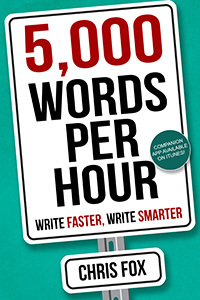
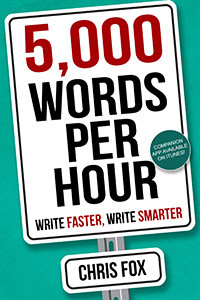
5000-words-per-hour-300x200If you’re serious about improving your productivity as a writer, then you should definitely read this book.
Writers are constantly being told that they should increase their word count, but making that jump from a few hundred to a few thousand words an hour can seem very daunting. Fox lays out a system that should work for anyone by laying out incremental steps to improve your productivity. Although some of this may seem obvious if you’ve read other books on writing productivity, it’s still helpful to read this.

One of the things I was told was to use the Pomodoro method when writing, which sets 25-minute timed sessions with 5-minute breaks. This is a good system, but Fox begins with 5-minute sprints and then builds from there. That’s wonderful for writers who might be coming to timed writing sessions for the first time.

The book flows extremely well. Fox writes in a very casual style that makes it feel like you’re having a conversation with him. I blew through the entire book in one sitting. One of the helpful aspects is that if you just want to read the book straight-through before doing any exercises (something I often do), Fox includes all the exercises in an appendix at the end to remind you that you should do them (and it also makes them easily accessible so you can go back to them later or quickly jump to them for reference purposes).

Also, if you have an iOS device, be sure to get the companion app to the book. Up until I downloaded the app, I was using a combination of timers and then had to leave a post-it on my wall to remind myself to enter my word count into a spreadsheet. The app does all that together and it makes tracking incredibly easy.

This is a book I will be recommending to every writer I know.

Pick it up on Amazon and get the app on iOS.

Asian Pulp debuts!

Asian Pulp

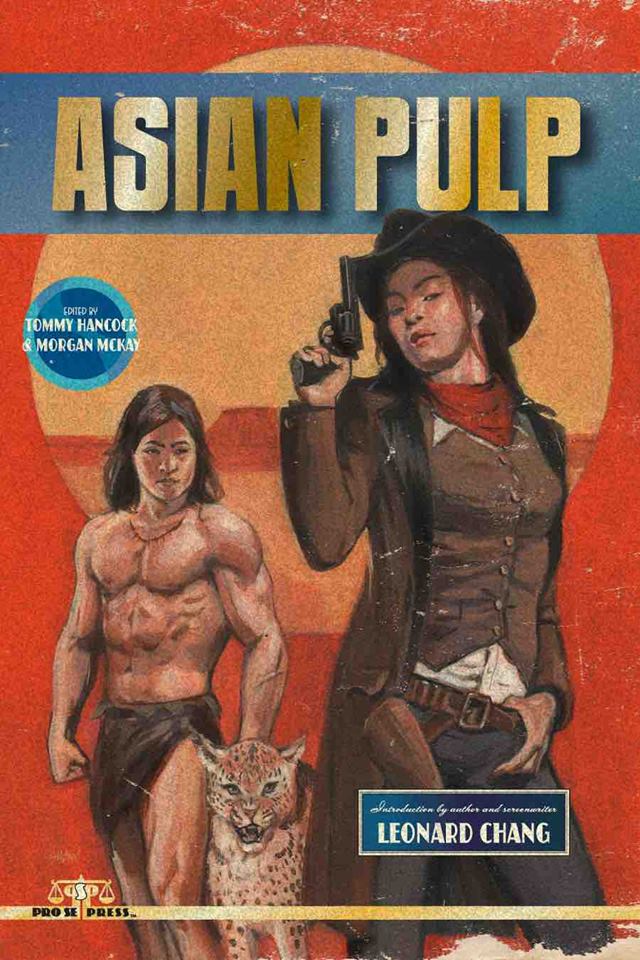
In April 2013, Pro Se Productions released ‘Black Pulp’, a collection of stories written in classic pulp genres featuring lead characters of African descent. Not only were readers captivated by the cast of characters featured in the book, they also saw the potential of future volumes, both of ‘Black Pulp’, and collections featuring other ethnicities in much the same way. Pro Se Productions proudly announces the release of ‘Asian Pulp’, featuring seventeen of today’s best authors, in both print and digital format.

Leonard Chang, novelist and writer and co-producer of the TV crime drama ‘Justified’, states in his introduction to ‘Asian Pulp’, “The world of pulp fiction was a world that I understood—it was a reaction to trauma, both as art and as catharsis. Personal trauma. Emotional trauma. Physical trauma. National trauma. This is why I responded to it, why I immersed myself in it. And why, whenever I was in a personal and artistic crisis, it saved me. Fiction is a reflection of and commentary on life, and I needed to find a reflection of and commentary on my life.

That there weren’t any Asian Americans in the pulp I was reading wasn’t a problem (or if there were Asians they tended to be dismissible stereotypes) — no, not a problem at all, but actually an opportunity. I’ve always viewed writing as providing myself with more reading material. I write what I can’t find out there. Why not have a Korean American act as a private eye, and infuse in his character all the traits I wanted to see but haven’t? Why not write about Korean American gangsters, criminals, and detectives? And this is where we, as writers, all began moving toward: writing about people we want to see on the page, in lives and stories that speak to us.”

Following in the tradition of the best selling ‘Black Pulp’, from Today’s Best Authors and up and coming writers comes ‘Asian Pulp’ from Pro Se Productions! A collection of stories featuring characters of Asian origin or descent in stories that run the gamut of genre fiction!

‘Asian Pulp’ includes works from Don Lee, Naomi Hirahara, Kimberly Richardson, Percival Constantine, William F. Wu, Gary Phillips, Calvin McMillin, Mark Finn, Dale Furutani, Steph Cha, Henry Chang, Sean Taylor, Gigi Pandian, Louise Herring-Jones, Alan J. Porter, and David C. Smith. The anthology opens with an introduction from Leonard Chang.

“As an author of color who writes genre fiction,” says Gigi Pandian, “I love finding books where there are diverse characters in exciting stories. Ever since I was a kid, I’ve loved reading mystery and adventure stories, but characters in the types of stories I enjoy rarely reflect my own ethnic heritage or the diversity around me (my father is an immigrant from India, and I grew up in California). When I became a writer, I naturally created characters that were part of my own life experience. I enjoyed ‘Black Pulp’, so it was an honor to be invited to contribute a story for this new anthology. ‘Black Pulp’ was first and foremost a great collection of fiction–but I also loved how black writers and characters were brought into the spotlight. I hope ‘Asian Pulp’ does the same thing for Asian writers and characters.”

Mysteries, westerns, stories of crime and noir, and more, all with Asian characters in the lead! Between these covers are 17 tales of action, adventure, and thrills featuring heroes and heroines of a different shade that will appeal to audiences everywhere. ‘Asian Pulp’. From Pro Se Productions.

Nothing Found

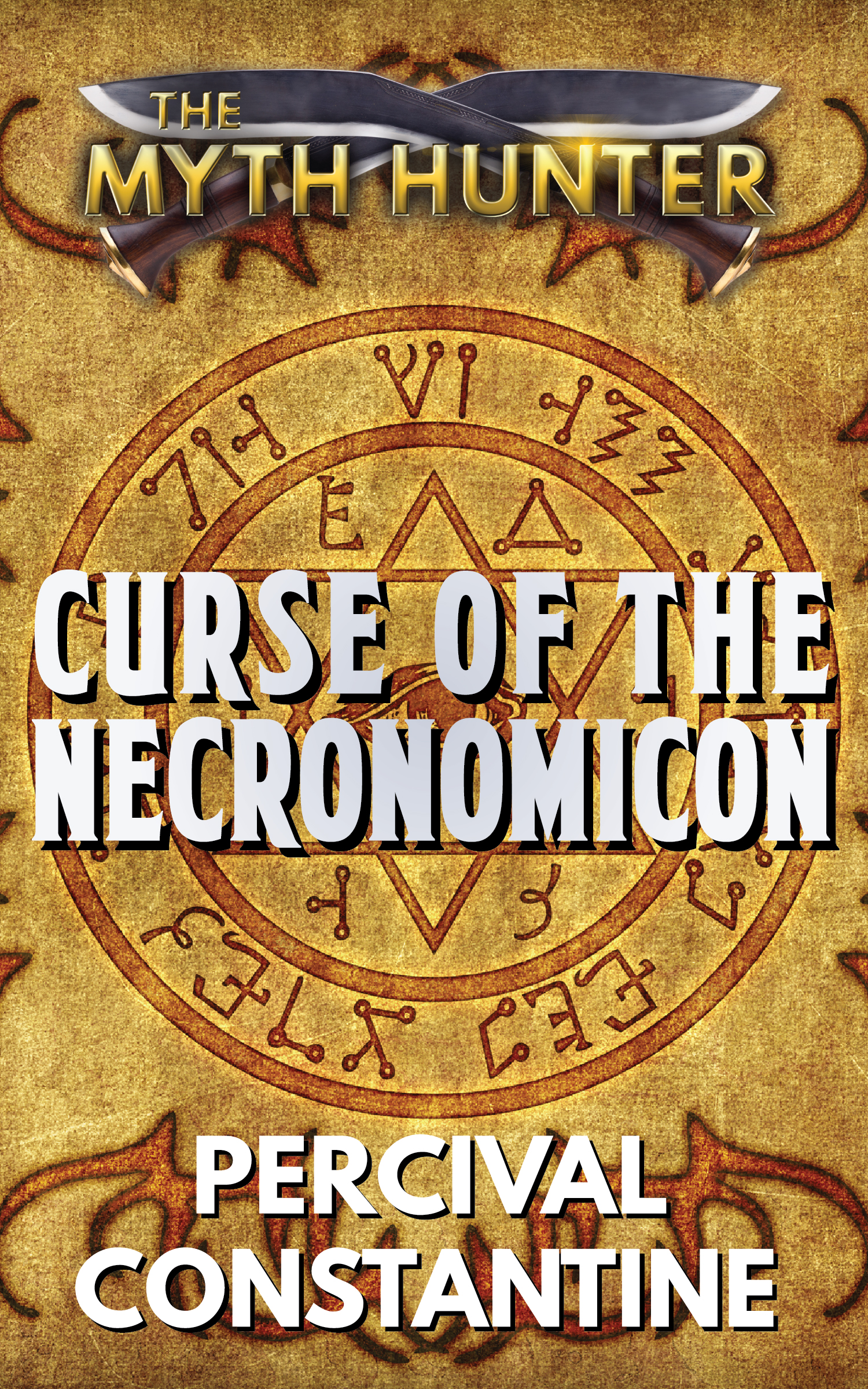
Elisa Hill is back in Curse of the Necronomicon!

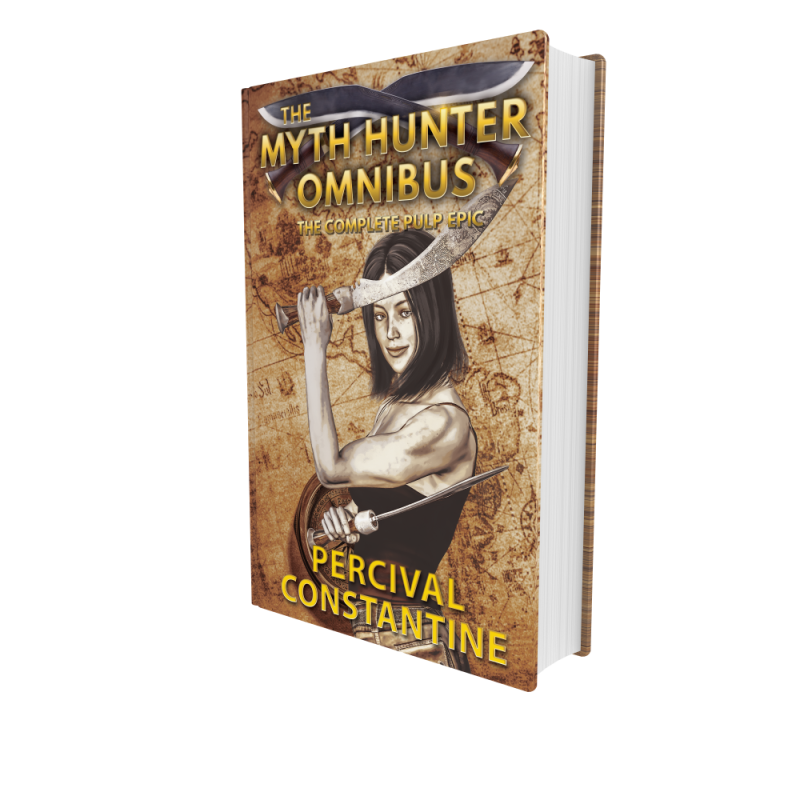
It’s been a long wait, but Elisa Hill and her allies are back in the third book in The Myth Hunter series—the long-awaited Curse of the Necronomicon!

Elisa has lived two lives—that of a university professor of mythological studies while also traveling the world as a globe-trotting adventurer. But now, that delicate balance is in danger of being disturbed when a wealthy collector offers her a new job—track down the Necronomicon!

She’s not the first person who’s been sent after the fabled grimoire, though. Her former partner and rival, Lucas Davalos, was previously hired to locate the book, but went missing.

Can Elisa discover the secret of the Necronomicon and locate the missing Davalos?

Curse of the Necronomicon is now available on all platforms, both in print and digital formats. Pick it up today!

Nothing Found

And if you aren’t familiar with The Myth Hunter, the first book, The Lost Continent, is now available free!

The Lost Continent

The Lost Continent

Author: Percival Constantine
Series: The Myth Hunter, Book 1
Genres: Action, Adventure, Fantasy
Tags: Audiobooks, Free
Publisher: Pulp Corner Press
Publication Year: 2011
Length: 156 pages
ASIN: B0053QY458
ISBN: 1507834780

When adventuring myth hunter Elisa Hill discovers evidence of the existence of the lost continent of Lemuria, she finds herself locked in a race against time to learn the mysterious secrets! Also on her tail are a former partner and a secret society, as well as a ruthless assassin!

About the Book

A mystery older than time!

There is a hidden world beneath the one you know, one in which all the stories from mythology are true. Elisa Hill is the latest in a long line of myth hunters, adventurers who travel the world seeking out the truth behind the legend. But the mystery of ancient Lemuria has eluded her and her family for decades.

Until now.

New evidence has finally given Elisa the opportunity to uncover the secret her parents went to their graves pursuing. But standing in her way is a secret society that wants Lemuria’s secrets for a far darker purpose. Their chief operative is a man who knows Elisa better than anyone—her former partner.

The tension builds and soon, Elisa will have to make a decision—is her quest worth the risk of these secrets falling into the wrong hands?

This book is full of vivid descriptions, fantastically crafted narrative, intriguing and engaging dialogue, but its biggest star is the characterization. u00a0Constantine brings each and every character to life, not just with vivid details, but with emotions and passions. u00a0Even the characters we are meant to like leave us feeling a little divided on just how much we like them, and thatu2019s a sign of humanity granted to a written creation, a skill many writers never ever develop.
– Tommy Hancock, Pro Se Press
From the opening action sequence to the last climatic battle with a cruel and vicious assassin, The Myth Hunter is a super charged thriller that never lets upu2026a solid, masterful thriller by a young writer realizing his tremendous potential.
Sign up for Updates
Look Inside
Disclosure of Material Connection: Some of the links in the page above are "affiliate links." This means if you click on the link and purchase the item, I will receive an affiliate commission. I am disclosing this in accordance with the Federal Trade Commission's 16 CFR, Part 255: "Guides Concerning the Use of Endorsements and Testimonials in Advertising."

A new crime fiction anthology!

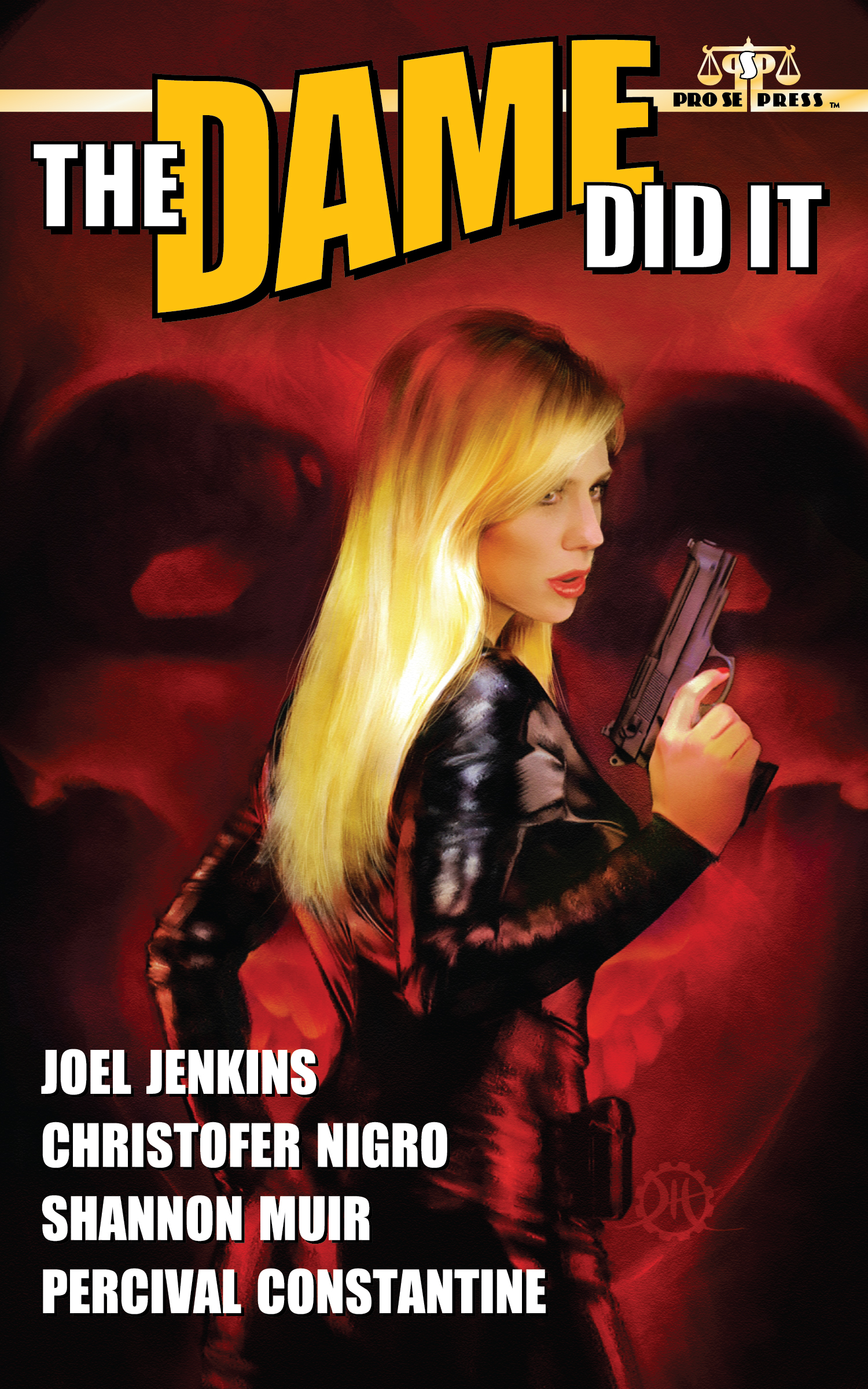
The Dame Did It cover_ebookA DEADLY FEMININE TOUCH-‘THE DAME DID IT’ ANTHOLOGY DEBUTS FROM PRO SE PRODUCTIONS

A leading publisher of Genre Fiction, Pro Se Productions announces the release of an anthology that places women in the driver’s seat of each story. Heroines, villainesses, and more are the order of the day in The Dame Did It, now available in print and digital formats.

“Even though,” says Tommy Hancock, Editor in Chief of Pro Se Productions, “having a woman as a lead character is not exactly new, even in Pulp, it’s an arena that still has so much room for fun storytelling and innovation. And the authors in The Dame Did It do just that with both a surgical precision and all the over the top craziness readers expect from Genre Fiction.”

A death rattle echoes down a shadowy alley….
Guns blaze like exploding suns in the dead of night…
And make no mistake about who’s responsible….
THE DAME DID IT!

Pro Se Productions presents a collection of new stories wrapped in the shadows of Noir and definitely Hard Boiled with a feminine touch. Authors Joel Jenkins, Christofer Nigro, Shannon Muir, and Percival Constantine deliver two fisted, gun shooting hard core action in these blood soaked pages, and each tale revolves around a woman. A heroine desperate to save the day, a villainess hungry to destroy, or someone trapped in the middle. All and more will be found in The Dame Did It!

Featuring a terrific cover and logo design by Jeffrey Hayes and print formatting by Percival Constantine, The Dame Did It is available now!

Nothing Found

Writing productivity

images_increasing-productivityProductivity is something I struggle with. Pretty much all my life, I’ve been a procrastinator. In high school, I did a lot of my homework assignments in homeroom the period before I had to turn them in. In college, I would get a month to read a book and put it off until the week before it had to be finished. I would write all my papers the night before they were due. When I was single, I wouldn’t do the dishes or the wash until I ran out of clean plates and clothes.

And unfortunately, that’s also true with writing fiction. Even when I had a deadline to finish a book or a story, I would put it off. It’s why for the first seven years of my publishing career, I would only put out one book a year. I’m trying to change that and so far, I’ve managed to put out monthly releases, and I have monthly releases scheduled for the rest of the year. At the time I’m writing this, I’ve already got content ready to go up to November.

So I’ve found little ways to increase my productivity. Before I would write whenever I felt like it. Now, I make time for writing and I try to do at least an hour of work Monday through Friday. Weekends can sometimes be really difficult because my day job schedule on weekends is all over the place (although if I do have time on the weekends, I will write).

Something else I’ve done is changed the time of day I write. I used to write at night before bed. But when I examined this, it proved problematic. When putting off writing until the night, I would often get too tired and not want to do anything other than watch Netflix and sip some scotch. So now I make sure to do it as close to the morning as possible. As long as I write before 5 in the afternoon, I’m good. If that clock hits 5, though, it’s a lot harder for me to get started.

Another thing is outlining. I could talk about this more at another point though, so I won’t go into any detail here. Suffice to say, outlining has greatly helped me boost my writing output.

I also lowered my word count target. Before my target was 2000 words but there were a lot of times when I would fall short of that. And when I failed to hit that goal, I was down on myself and it would make it harder to write the next day. And then that would make me feel bad for the next day it came to write and the effect just kept compounding. So I said, “screw it, I’m shooting for 1000 words.” And it worked. 1K Per Day was my motto and I managed to hit it almost every time. Setting a deadline also makes it harder to skip days. I give myself a bit of a buffer here because shit happens—if I think it will take me two weeks to finish a project, I’ll set a deadline for two and a half weeks or so.

I block out an hour for my writing time and I use the Pomodoro Method. How the Pomodoro Method works is you set a timer for twenty-five minutes. Once that time is up, you take a five-minute break. At the end of the fourth twenty-five minute work session, you take a thirty-minute break. But like I said, I only do it for an hour and I found it helps. During that twenty-five minutes, I also use a program called Anti-Social to block social media for that time. 1000-1500 words is usually what I average in this hour.

But the other day I decided something different. I write in Scrivener and there’s a Project Targets window that you can bring up with a hotkey. Every time I would write, I would keep that Project Targets window open. But the other day, I decided to close it. By the end of that first twenty-five minute session, I had written over 900 words. I kept the window opened in the second session and only managed about 500 words. Today I closed the Project Targets window and kept it closed for the entire hour. I hit the 1000-word mark in the first session and by the end of the second session, I had passed 2000 words.

Having that Project Targets window open kept tripping me up. I’d see my progress bar fill up and subconsciously go slower or faster depending on how close I was to the goal. But turning it off and writing invisibly I didn’t even realize how little time it took to break 1000 words.

The take-away from this post is keep examining your writing processes. What works now may not work later. And what you think is working might be able to work better if you tweak it a little.

Does writing speed affect the quality of your work?

writers-blockI’ve seen a few people lately push the idea that the quality of writing is all based on the speed at which you write. Specifically that the longer it takes you to finish a book, the higher quality it is.

This is a silly bit of nonsense that I think came about through the traditional publishing schedule, where it would take a long time for a book to go from the writer’s hands to the bookstore. And it’s a myth that’s spread all throughout literary circles, that if you write fast, then somehow you’re only writing trash.

Of course it’s pretty ridiculous because there are so many variables that go into how long it takes to complete a novel. If someone writes a novel a year and another person writes a novel a month, there are a lot of things to look at. How many days a week are they writing? How many hours per day? How many words per hour? Do they have a schedule or do they just write whenever they feel like it? Are they working from an outline or not?

Use some simple math to break it down. Let’s say you can average about 1,000 words an hour, which isn’t that uncommon. That means if you’re writing a 90,000-word novel, it will take you ninety hours to produce a first draft. If you write to my schedule, which is an hour a day, five days a week, that means it will take you around four or five months to finish a novel.

It’s not Dean Wesley Smith’s pulp-speed fast, but it’s also less than half the time that the myth says it should take to write a novel. And what if I wrote for two hours a day and I wrote seven days a week? Now we’re down to around six weeks.

In fact, if you’re to break down the numbers, to spend a year writing a book means writing less than 250 words a day, seven days a week. To give you an idea of how long it takes to write 250 words, at this point this blog entry is at around 350 words and it took me about ten minutes to write this much.

Writing may be the only profession where being less productive is considered to be a mark of higher quality. Sure, there are times when you can struggle to produce 250 words a day. But if the whole novel is a struggle like that, then maybe you just don’t want to write it.

Now yes, some people may write slower than others. And some people may only be able to write in fifteen-minute increments each day. And that’s fine. But don’t ever disparage people who write fast simply because they write fast.

If it takes you a year to finish a novel, great. If it takes you a month to finish one, that’s great, too. The amount of time it took you to finish that book shouldn’t even be factored into whether or not it’s a quality book.

And it should also be noted that there are quality works of literature that were written in a short amount of time. William Faulkner’s As I Lay Dying? Written in six weeks. Anthony Burgess’ A Clockwork Orange Written in three weeks. Robert Louis Stevenson’s The Strange Case of Dr. Jekyll and Mr. Hyde? Written in six days.

Be comfortable with your writing speed and never ever judge another writer based on theirs.

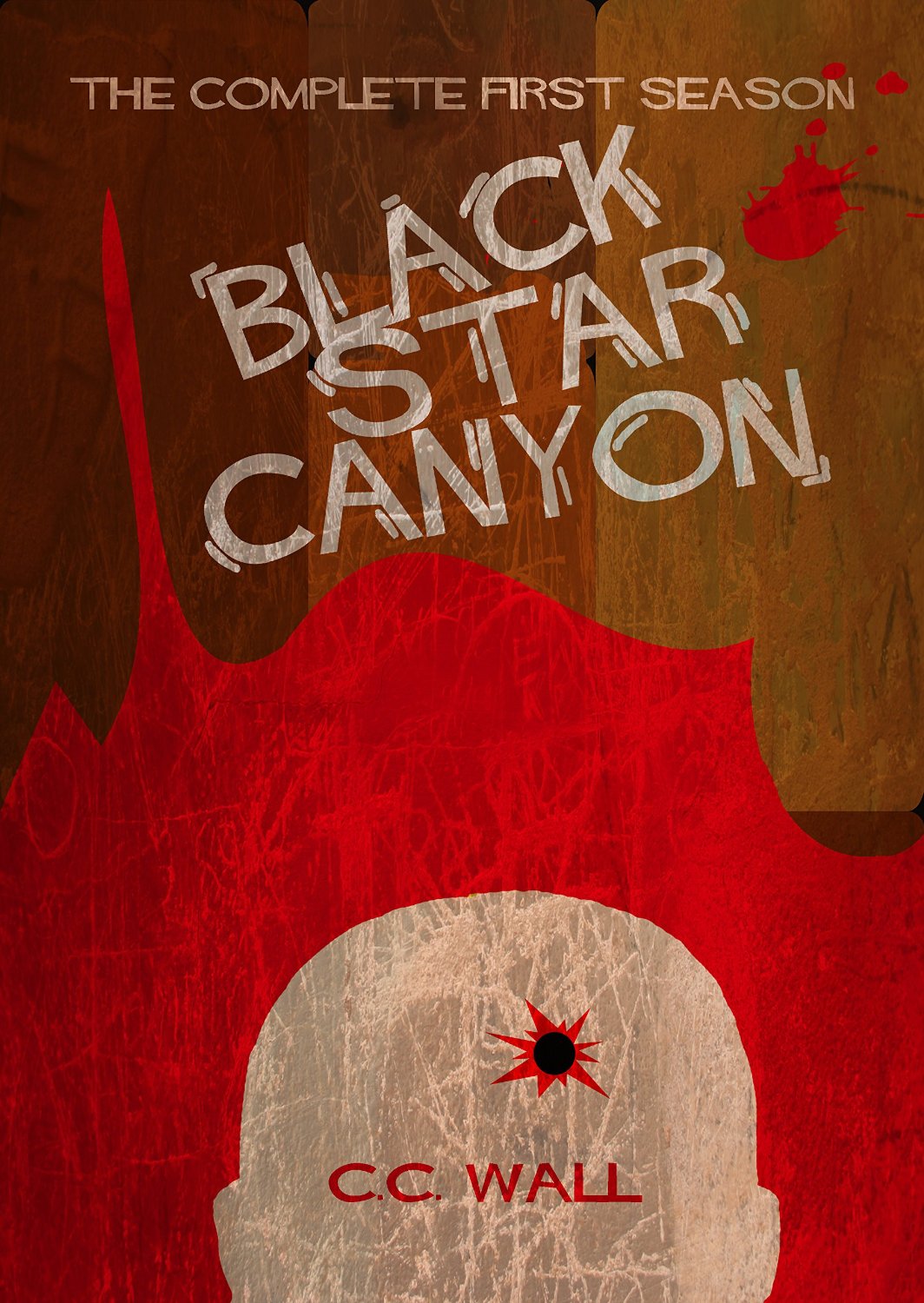
Black Star Canyon: The Complete First Season by CC Wall

bsc1CC Wall is really resurrecting a style of writing that many unfortunately consider to be dead. With a clear influence of soap operas, TV dramas, and pulp fiction, Wall weaves together a tale of a creepy town that will keep you turning pages. The serial format is really the perfect way to tell a story like this and ebooks have made this possible. It’s a style that I wish more authors and readers would embrace as there’s so much potential in the serial format.

A lot’s been said about Wall’s treatment of the mystery and the characters, but what really grabbed me the most about the first season of Black Star Canyon was the prose. Wall writes in an almost staccato-like manner and though it may be jarring for some, I found it to be very effective in conveying the nature of the story world.

I’ve already got seasons two and three on my Kindle and am looking forward to continuing the adventure.

Pick up Black Star Canyon: The Complete First Season on Amazon!