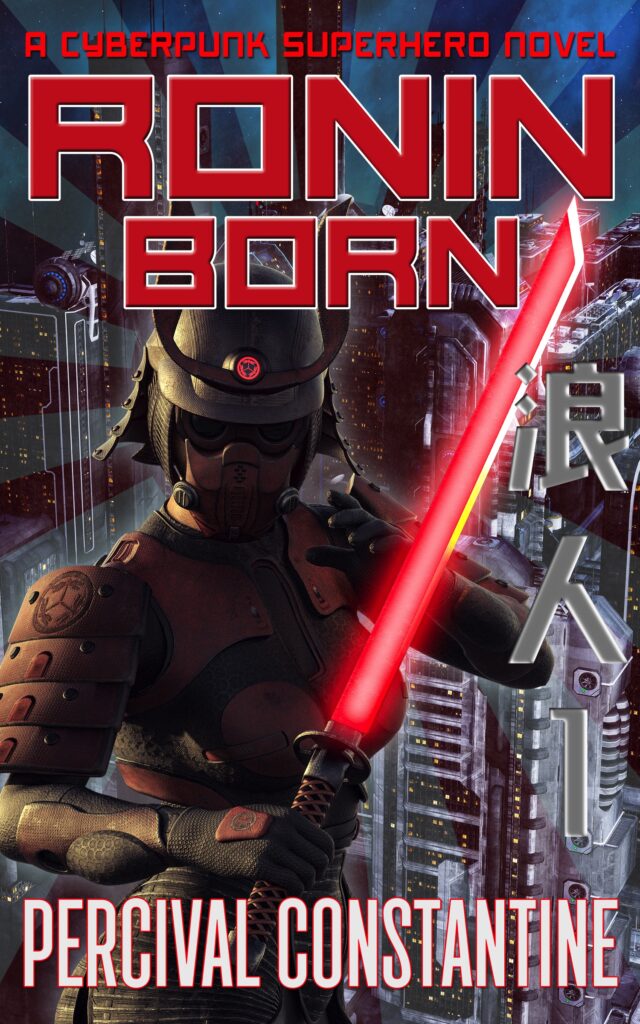
RONIN BORN is available now!

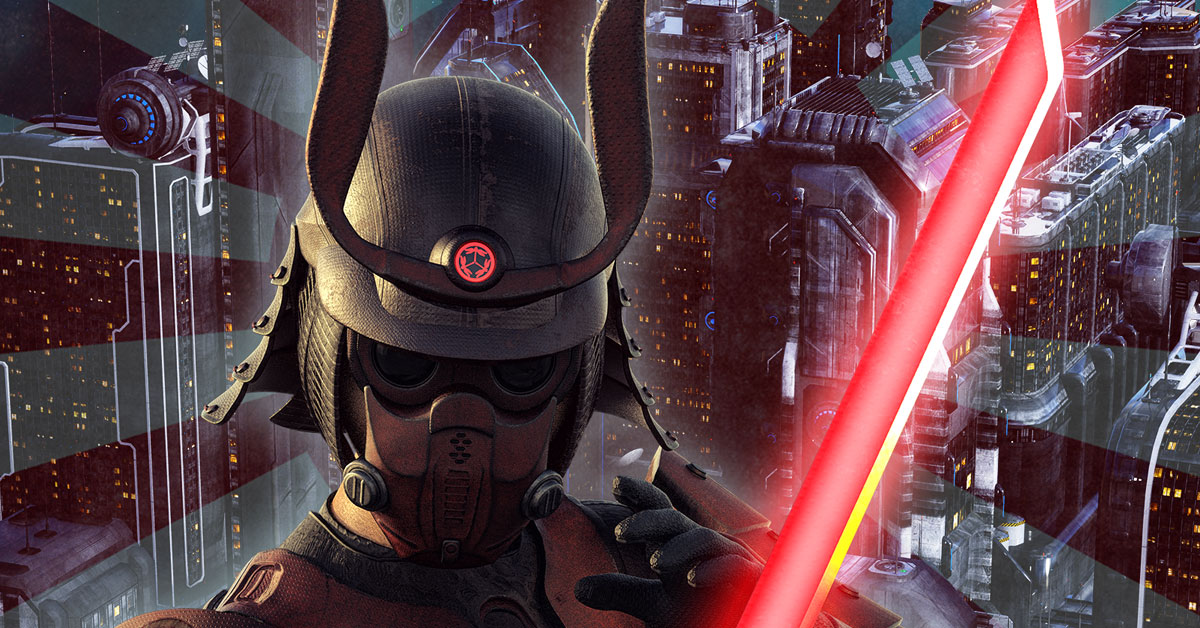
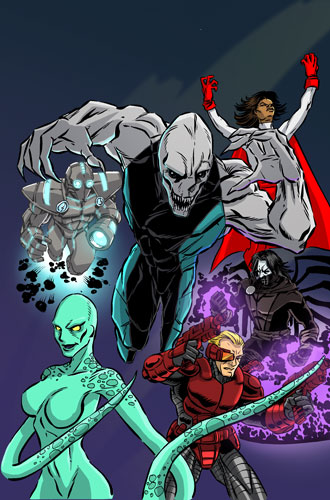
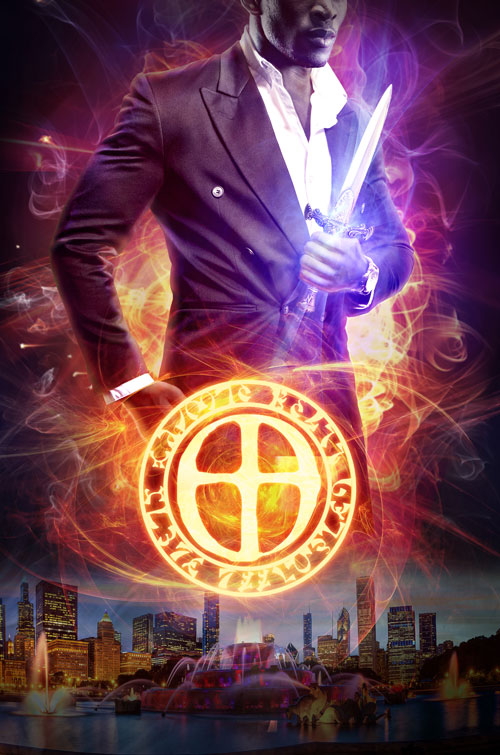
I’ve had ideas on this title for a while. I wanted to write another book set in Japan, and influenced by some different movies (in particular Battle Royale and Ghost in the Shell), I came up with the idea of Ronin Born, a new cyberpunk superhero novel.

The setting is a futuristic version of Japan. Technology has advanced to an incredible degree and Japan is a powerful player on the world stage with military strength to add. After serving in the armed forces, Erika receives a promotion to the Tokkei, the nation’s top intelligence agency.

Equipped with cutting-edge armor, Erika has the opportunity to prove herself to her superiors. But the case she’s been assigned has a darker element. One in which government, business, and criminal interests all converge, profiting off the suffering of those who cannot defend themselves.

It forces Erika into a difficult situation. Will she preserve her career or her soul?


I’m really excited you now have the opportunity to read this book. I feel like it’s set in a very interesting and intriguing world, one I’ve spent a lot of time craft.

You can purchase the book as an ebook or paperback through Amazon, or read it for free with your Kindle Unlimited subscription.

My brief association with Mat Nastos

A few years ago, a new face appeared on the New Pulp scene, a guy by the name Mat Mastos. He offered a lot of praise for my Myth Hunter series and he had ideas about expanding New Pulp beyond the niche audience it had mostly appealed to which intrigued me, as that was something I wanted to do as well.

When Mat came out with his first novel, The Cestus Concern, he was kind enough to send me an email with a free copy and asked if I’d review it. I did and I genuinely enjoyed it. We kept in touch and he hired me to edit his WW2 fantasy novel, The Man With The Iron Heart.

Back in late 2013 or thereabouts, Mat and I were talking. I’d had him as a guest on my now-aborted podcast, The Exploding Typewriter, and he suggested we start working together. Mat had a label he’d set up for his books, called Nifty Entertainment, and he said he wanted to turn it into an author collective. Given the connections he seemed to have and the success of The Cestus Concern, I thought it was a good move so I agreed.

No contracts were ever signed, no rights were transferred, and no money was ever exchanged. He said we’d simply be helping each other out, providing services for each other, promoting each other’s work, etc. I thought it seemed like a good idea, so I said yes. I updated all my books to include the Nifty Entertainment logo, put them on his site, etc. I also added previews of some of his books to the back of some of my books and he said he would do the same (no clue if he ever actually did). He even did the original cover for Vanguard: Season One:

But shortly after that, Mat just stopped responding to emails and messages. I’d often ask him about how we can work together on some promotions and I wouldn’t get any response. When I asked him if he’d be willing to work on the cover for Vanguard: Season Two, he finally responded and said he would send me a concept and then I never heard anything else.

Around the same time, I’d joined up with an author group. In a month of being in that group, they provided me with more support and advice than Mat had after several months of being part of Nifty. So I decided it wasn’t worth it to keep my work associated with him. I changed the cover for Vanguard: Season One, removed the Nifty label from all my books, and took them off the Nifty site.

I never really heard anything else from Mat after that. He didn’t even say anything when I decided to pull my stuff, so I just left it at that and moved on with my life. I just didn’t feel like the association was doing anything for my work so there was no need to continue it.

Turns out I had made the right decision, and I just found out how right the decision was given the news of the past week.

Mat often talked about the work he’d done in comics and film/TV. He frequently touted his friendships with various creators and celebrities to the point that some of it seemed exaggerating. But there was one thing he would claim frequently—that he was one of co-creators of Disney’s Phineas and Ferb. It was so frequent and he often touted it on his resume to such an extent that even his banners when he went to comic conventions featured those characters. So it seemed unlikely that was something he would exaggerate about, as it went far beyond idle chatter.

But according to Bleeding Cool, exaggeration was putting it lightly—he straight-up lied. Swampy Marsh, one of the actual creators of Phineas and Ferb, posted the following on his Facebook page:

Okay…wow.

Like I said, I knew he exaggerated, but I never expected something this fraudulent. Mat has since scrubbed the mentions of himself from the Internet that he has control over—his Facebook page, Twitter account, and his websites. Disney’s lawyers do not screw around, so I’m guessing he’s gotten himself in some very hot water.

The thing I don’t understand is why? The Cestus Concern and The Man With The Iron Heart were both great books and very well-written and as you can see from the Vanguard cover I posted above, he’s also a talented artist. This is a guy who could have written his own ticket on the basis of his talent alone.

Just goes to show you—be careful who you associate with and be careful about the boasts you make online. You never know when it might come back to bite you in the ass. I didn’t properly vet a potential business partner and if our arrangement had gone beyond just a handshake deal, I may have suffered a lot worse than the embarrassment I’m feeling at the moment.

That’s a mistake I won’t make again.

What’s Coming Down The Line

You like that cover?

That is the cover art for the second Luther Cross book, Devil’s Descent. I’ve just crossed the halfway mark in that book and it’s been pretty fun so far. This book really expands the world by a lot. Some reviewers have said they wanted to see more of Luther’s supporting cast, particularly Celeste, and you get it in this book.

Devil’s Due has performed very well so far. Definitely exceeded my expectations. In just under two months, this one book has generated 45% of my all-time sales. It’s made almost double the amount of money of Vanguard, my second highest-selling series—and Vanguard is a five-book series!

So it may come as little surprise that I’m doubling down on Luther for the immediate future. I have a third Nakamura Detective Agency book completed, titled Dead Silence, but I’m not feeling very confident in it and I’ll have to take a hard look at it and see if it’s even worth publishing. It may need some extensive rewrites. I also have ideas for more books featuring Kyoko and her team, but the disappointing performance of Murder Walk has led me to stop and take a hard look.

The Kyoko series sadly isn’t performing as well as I’d hoped. So once I finish Devil’s Descent, instead of working on a fourth Nakamura book, I’ll probably just jump right into a third Luther book. Kyoko fans shouldn’t be too concerned, though. This doesn’t mean I’m necessarily giving up on that series, just that I’m going to hit the pause button.

But Luther’s not the only thing I’ve got planned. I’ve got an idea for a spin-off series featuring one of Luther’s supporting characters. Right now, I’m leaning heavily towards a series focused on Tessa, but I’ve also had a lot of fun with some of the other characters in this second book.

What do you think? Who would you like to see in a spin-off series?

Goodbye 2016

2016 is finally at an end.

Man, this has been a pretty awful year, hasn’t it? From the deaths of beloved celebrities to the election of quite possibly the most unqualified, inexperienced, ill-tempered, idiotic President in American history.

And, of course, there was Batman v. Superman, which we’re better off just forgetting.

That being said, the year still had some good things for me. For starters, I got married this year. And two, this has so far been my most profitable year as an author. My sales have really gone up a lot this year. Still not enough to make a full-time living off my writing, but it’s getting to the point where the earnings are adding up.

It’s also a year of endings. I closed the book on all the series I was publishing on my own—The Myth Hunter, Infernum, and Vanguard have all seen the release of the final books in the series. Why did I choose to end all my existing series? In the case of Infernum, I’d always planned for that series to be finite.

As for The Myth Hunter and Vanguard, that’s a different story. I had hoped to continue publishing more books in both series. But unfortunately, sales and reviews just weren’t high enough to justify continuing with those series. If people who enjoyed those books didn’t review them, then that’s why there won’t be any other books. Publishing is a tough racket and I can only keep up the projects that are turning a profit.

And now I’m setting the stage for a lot of new stuff in 2017.

That kicks off in January with the launch of Fallen Idol, the first book in my new mystery series, the Nakamura Detective Agency, set in Osaka and featuring Kyoko Nakamura who first appeared in a story in The Dame Did It. I’ve seen some advance reviews for the book already and they’ve been very positive, so I’m hoping this book will prove to be my most successful launch yet.

The second book in the series, Murder Walk, is close to being finished.

I’ve also got some other stuff lined up for 2017. There will be more Luther Cross stuff, so if you’ve been waiting for that, just be patient a little bit longer. And I’m working on some more superhero stuff with some pretty impressive people. Not Vanguard, but something else. But I can’t say anything more on that yet.

Here’s hoping 2017 proves to be a better year.

Should You Participate in NaNoWriMo?

nano_feature

November is upon us again, and once more, it’s time for National Novel Writing Month. That time of year when writers all around the world commit to producing 50,000 words of fiction. But do you have it in you to join or not?

I think you should try. The first novel I completed, Fallen, was a NaNoWriMo project way back in 2005. I’d never written that much in such a short period of time. It was torturous, it was liberating, and it was also a lot of fun. There were some days when I’d go on crazy writing streaks and other days when I was lucky if I could get a few hundred words down.

And I finished with a few days left.

Before that time, I never thought I could complete a novel. Every project I attempted fizzled out before I got to the halfway mark. But Fallen changed all that and gave me a whole new insight. Now that I knew I could do it, the next question was, “how do I do it again?”

Of course, that’s the difficult part and it took me a while to actually get into that rhythm. But that’s another story.

There are some arguments against participating in NaNoWriMo. They usually all center around the same idea: a month isn’t enough time to write 50,000 words.

To which I say: bullshit.

It’s totally possible to write 50,000 words of good fiction in a month. And even if it’s not, who cares? The first draft of your first novel will be shit.

No ifs, ands, or buts—it will be shit.

But once that first draft is finished, you’re now closer to a completed novel than you ever were before. And now that you have that rough draft, you can work on shaping it into something that doesn’t suck.

Getting that first draft complete should be your primary goal. And if NaNoWriMo gets you motivated enough to have a deadline and forces you to turn off your internal editor long enough to finish that book, then I can’t see that being anything other than a good thing.

If you do participate though, don’t get lost in the social aspect. The NaNo forums are big rabbit holes that you could easily get lost in. By all means, join in, have some good chats, but remember to get your daily words done first.

As for me, I won’t be participating in NaNoWriMo. Well, not technically. I will be writing, but I’m already close to the end on my current WIP. And then I’ll begin the second one a few days after I finish that. So I will probably write 50,000 words in November, but it won’t be on one book. It will be a few thousand words on the end of one book and then the bulk of it on a new book.

While NaNoWriMo can be a great motivator, don’t think that November is the only time when you can write a novel in a month. For me, I write every day. And because of that, every month is NaNoWriMo.

Use it as a stepping stone, a chance to hang with some other authors. But once you finish your project this month, get ready to do it again in December.


Atlantis Rising – The Final Myth Hunter Book?

Atlantis-Rising-cover

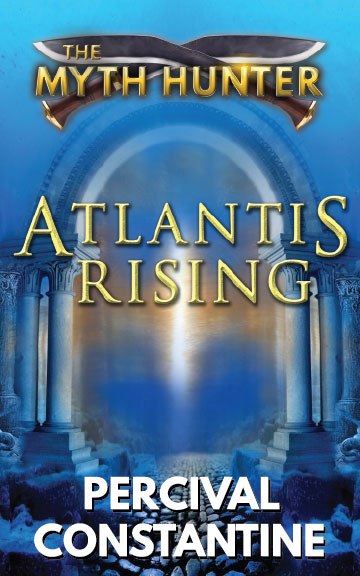
This is the proposed cover for the sixth and final book in The Myth Hunter series. I’m currently in the middle of writing the book right now, at about 21,000 words at the time of this post. That means I’ll probably finish the book within the next week.

The book is tentatively scheduled for an October or November release. It’s been a lot of fun writing the adventures of Elisa Hill over the past few years. So why end the series? No more ideas? No more interest?

Actually, it’s neither. I still have a lot of fun writing these characters and due to the nature of the series, there’s almost no limit to the number of myths and legends I could easily mine for story ideas. Instead, I’m going to wrap up some of the long-running plot threads with this book and move onto something else.

Why? Because unfortunately, The Myth Hunter, like Infernum, is just not a very big seller. It’s a little tough to define the series in terms of the genres out there right now. That makes it much harder for the series to gain traction. The lack of reviews isn’t helping, either. The first book has only twenty-five reviews and the second through fifth books have less than ten. If a book doesn’t have at least fifty reviews, it might as well be invisible to Amazon’s algorithms. So the lack of reviews is also hurting the series’ potential.

If you’re a fan of the series, then this will be the last book unless that changes. Review every book in the series if you haven’t, encourage other people to read the series and review, and see if we can get that changed. If you want to help the series survive, you can go straight to Amazon right now and review all the books.

Otherwise, this will be the last Myth Hunter book. Hopefully you’ve enjoyed the series and this will prove a satisfying conclusion.

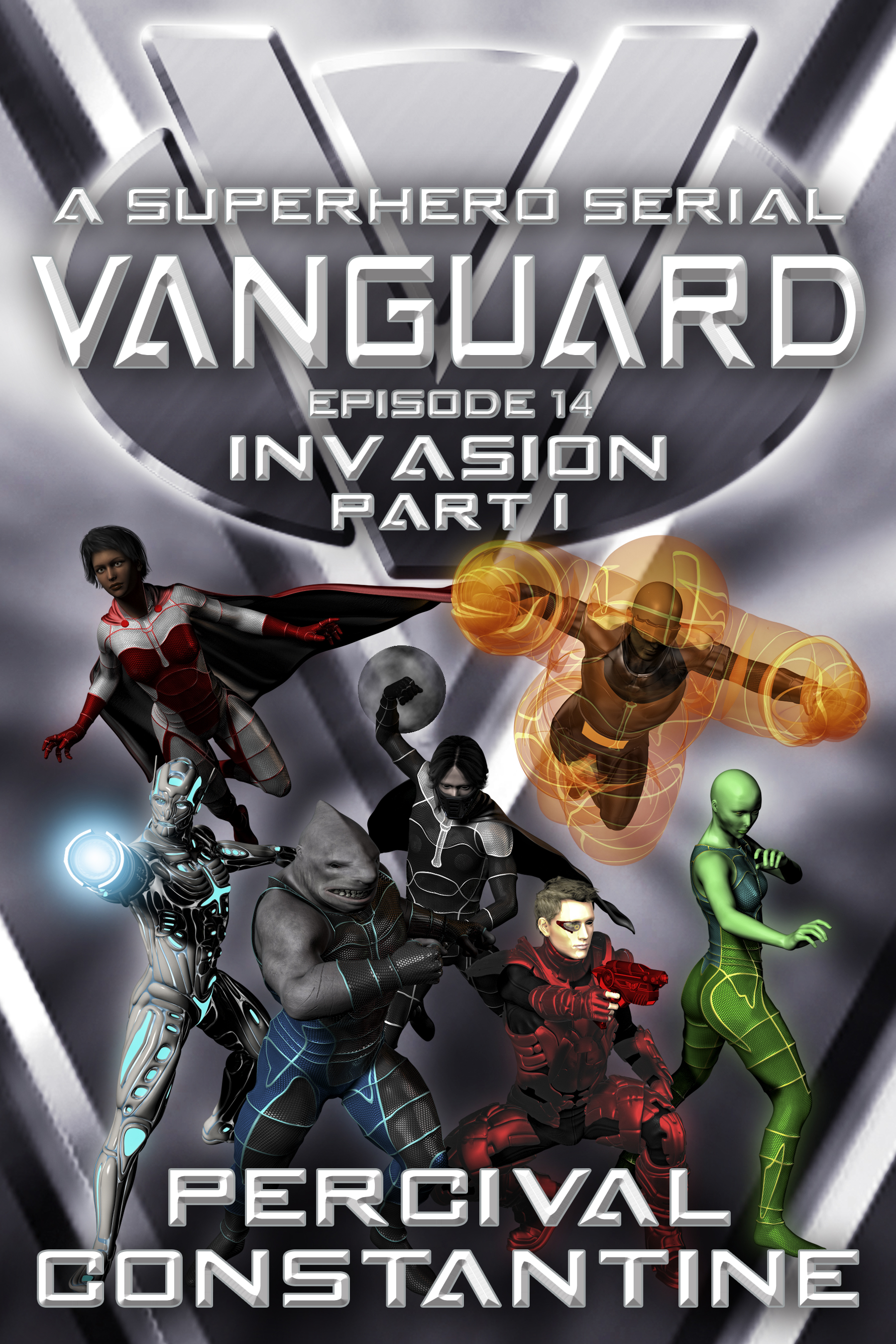
The invasion begins in Vanguard #14!

Vanguard 014The invasion begins!

The threat that’s been building has now arrived at Earth! It’s a story so big that I couldn’t contain it in one episode, so instead it spans two!

Here’s the description:

The Kotharians have arrived on Earth and they’re after the specials! General M’Lak, their supreme commander, launches the opening salvo with all-out war on Cerberus. Now Vanguard has to contend with not only the rising threat from space, but also threats on the ground as old enemies turn up to trouble them on Earth! But are the two connected…?

This was a difficult episode to write. I had originally written something completely different, but it just didn’t feel like a good fit. So instead, I scrapped virtually everything I’d written and started over from scratch. The result is something far, far better than I’d planned.

Vanguard #14: Invasion, Part I is now available on Amazon for 99¢ or free with your Kindle Unlimited subscription. Don’t miss the beginning of this two-part season finale!

[mybooktable book=”vanguard-14-invasion-part-i” display=”buybuttons” buybutton_shadowbox=”false”]

After you’ve read it, don’t forget to leave a review.

How I designed new covers for my books

Vanguard-FB
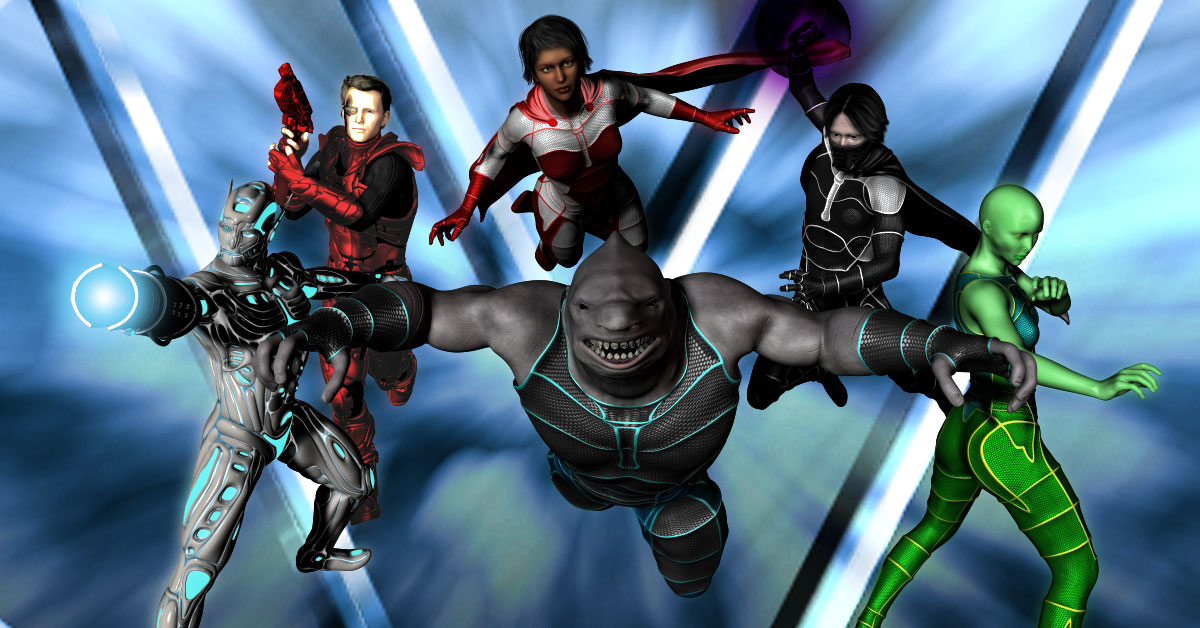
You may have noticed some new covers appearing for the Vanguard series. I recently made the decision to update the covers. I wasn’t quite sure how to do it. The first iteration of Season 1 featured comic book-style artwork by Mat Nastos and though it looked excellent, I got a number of comments from readers saying that it confused them. Some thought it was a comic book instead of prose and were thrown off. So I realized I had to do something different.

I looked at the cover art used on other best-selling superhero books and noticed that it was much more real-world. Almost none of them had the comic book-style, but instead adopted more of an urban fantasy approach. So photo manipulation or painted cover seemed the way to go. But painted covers are very expensive and I unfortunately couldn’t afford them. That left photo manipulation, which I can do pretty well.

But them the problem is how do I handle that? With most of the other superhero books, it focuses on a single character, so much easier to do. Mine is a team book, so what to do there? Do I only focus on one character at the expense of all others? And what do I do for the less-human characters like Sharkskin and Zenith? How to properly convey them on the cover?

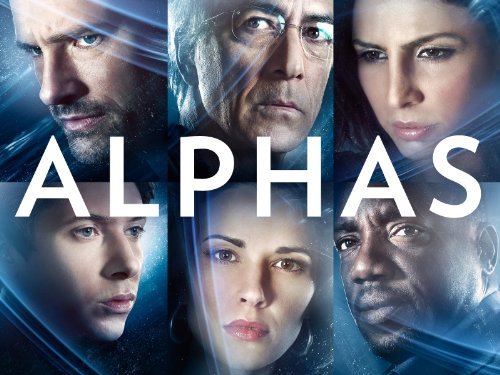
The answer came in the form of movie/TV posters. Alphas was a SyFy TV superhero series inspired by the X-Men. For their promotional posters, they chose to combine headshots of the main characters in order to make the poster. This seemed like something that was doable.alphas

Of course, I quickly realized I was at a disadvantage from Alphas. For one, I didn’t have the benefit of having the same lighting or background used for all the characters. And two, I didn’t have the benefit of being able to take multiple shots of the same models. Some models I was able to find more than one photo of, but others I couldn’t. So that meant I had to mix and match a bit, use other characters for successive covers.

That’s when I discovered DAZ Studio, a program used to create 3D artwork. The program is free to use and assets can be bought from their store. I played around with it for a while, ran through the tutorials, and then decided to buy some assets and use them in the creation of the new covers.

It took a lot of work. I was working at this almost from morning to night most days over the past two weeks. I’ll need to eventually invest in a more powerful computer to take full advantage of the program’s potential, but I’ve managed to do some impressive work so far. The background was created in Photoshop through a lot of trial and error.

Take a look and see for yourself.

[mybooktable series=”vanguard”]
Not bad, huh?

I’m really proud of these new covers and hope they lead to increased sales. I think they do a great job of conveying the tone of the books a whole lot more.

If you’re an author and you’re thinking of doing something similar, DAZ Studio can quickly get very expensive by buying assets. But I think it’s useful to learn how to do these different things, even if you’re only doing it for fun and not with the aim of creating your own covers.

How many books equals success?

7295258864_2c8530bdbb_oLast night, I was shown this blog post by Claude Forthomme. The link was shared with me by a fellow indie who was surprised by Forthomme’s headline, “Only 40 Self Published Authors are a Success, says Amazon.”

Only forty? That seems pretty low. Especially because the definition of success is extremely subjective.

One author may define success as winning awards. Another might define it by the size of their mailing list. Still another may say they aren’t successful unless they become a New York Times and/or USA Today best-selling author. For another, it might just be consistently hitting the top ten best-sellers in their genre on Amazon. Or earning a full-time income. Maybe attracting a movie deal.

Some feel successful just having published a book.

So let’s continue on with this post and look at the criteria for success:

40 self-published authors “make money”, all the others, and they number in the hundreds of thousands, don’t. This interesting statistic, recently revealed in a New York Times article, applies to the Kindle Store, but since Amazon is in fact the largest digital publishing platform in the world, it is a safe bet that self-published authors are not doing any better elsewhere.

“Making money” here means selling more than one million e-book copies in the last five years.

Okay, so “making money” is only defined as selling more than one million ebooks over the course of five years. That seemed awfully high to me, so I pulled out my calculator because I’m a writer and bad at math:

1,000,000 ÷ 5 = 200,000

So we need to sell 200,000 copies a year to be successful. Now break down the royalties for that. Every ebook retailer pays self-published authors 70% of every sale. The average price of an indie book falls between $2.99-$4.99. There are some exceptions, but that’s where you’ll find the majority. Let’s go with $2.99 for the purposes of this demonstration. For each $2.99 book sold, the author gets around $2. Fluctuates a bit when Amazon plays shenanigans with the price (sometimes it will show as being $2.90 or something), but $2 is a good number to work with.

200,000 * 2 = 400,000

Wait, so to be successful, we have to be making $400,000 a year in sales?!

Now don’t get me wrong, I would absolutely love to be making $400,000 a year. With that kind of money, I would do…well, I don’t even know what I would do, because I’ve never had that much money.

But if that’s the criteria we’re using to define success, then of course there are only a small percentage of writers who are pulling that down. Expand that beyond the writing profession—there are only a small percentage of people pulling that down!

So how do we define “making money” or “success”? For the purposes of this post, I’m going to define success as making a full-time income off book sales. The median income in the United States is around $50,000 a year. You don’t need to be making that much money in order to survive—if you’re living in Oklahoma, you can get by on a lot less per year than if you’re living in San Francisco. But $50,000 a year is a good number to use for our purposes.

50,000 (our annual income goal) ÷ 2 (royalty per book) = 25,000

We need to sell 25,000 books a year in order to make $50,000. Of course, this doesn’t take expenses into account, such as the cost of advertising and book production plus the additional expenses of maintaining a website and mailing list. But those expenses vary per author and this gives us a base idea to work with.

Selling 25,000 books a year may seem like a lot. Especially if you only publish one book a year. But most indies publish more than that. Say you publish five books every year:

25,000 (target ebook sales) ÷ 5 (number of books per year) = 5,000

Now we only need to sell 5,000 copies of each title every year to make a full-time income. If you have a series that draws your readers in, this becomes even easier. Readers who loved book 1 already know they like your writing and your characters, so it’s far more likely that they’re going to continue on to book 2.

You aren’t just going to leave your entire income dependent on those five books, though. Each year you’re publishing, you’re also building up your backlist, which gives you a way to generate even more passive income. Writing’s different from other jobs in that not only can you work without pants, but you can still make money off the work you’ve completed in years past.

In year one you’ll publish five, then in year two you’ll publish another five. So now you have ten books generating income. This lessens the amount of copies each book needs to sell in order to get us that $50,000 a year income.

25,000 (target ebook sales) ÷ 10 (books from years 1-2) = 2,500

In year two, we only have to sell 2,500 copies per title to make $50,000.

So let’s jump ahead to year five since the Forthomme used five years as the barometer. If you write five books a year, then by the fifth year you’ll have twenty-five titles generating money.

25,000 (target ebook sales) ÷ 25 (total books in your catalogue from years 1-5) = 1,000

We only have to sell a thousand copies per title per year in order to make a full-time income.

And if you’re selling at the $3.99 or $4.99 price points, you make more money per sale, so you need to sell fewer copies per title. This income also doesn’t take into account other formats, like audio or print.

Of course there’s no guarantee this is how it will work out. The first book in a series is usually the one that sells the most and there’s drop-off as the series continues. Few people will start a series with the fifth book. I don’t know any author who sells the same number of copies across all their titles.

But the point of this is that the definition of success as selling millions of books isn’t really an accurate number for indie authors. You don’t need to sell millions of books to be a success. You don’t even need to sell hundreds of thousands of books. You only need to sell tens of thousands of books in a year to be successful.

“Oh, only tens of thousands?”

Okay yeah, it’s still a lot and a difficult bar to reach for many. There’s a lot of work you have to do in order to move those tens of thousands of books per year. I know I’m definitely not there yet. I hope to be one day. But I just wanted to point out that it’s not as insurmountable a gap as it seems.

EDITED TO ADD: The New York Times article that prompted Forthomme’s comment about only forty authors being successful actually said something quite different:

Over the last five years, close to 40 independent authors have sold more than a million copies of their e-books on Amazon, the company said.

The wording is pretty different from Forthomme’s comment. Neither Amazon nor even NYT said that only forty indie authors are successful, but that forty have sold more than a million copies.