Final thoughts on Clean Reader

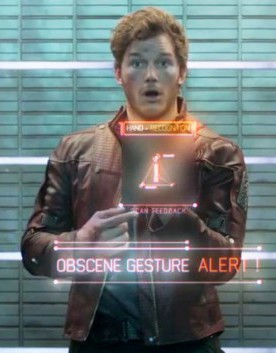
NEqyWj0clSKUur_2_a-670x353NOTE: I know Chuck Wendig used a similar Peter Quill image in his excellent “Fuck You, Clean Reader: Authorial Consent Matters” post (which you should read), but there’s really no more perfect image to use.

Recently, an app called Clean Reader appeared on the market, selling books with a filter that removes all the “profanity.” I put “profanity” in quotes, because what Clean Reader defines as profanity contains a heavy conservative Christian (and some would convincingly argue) sexist bias. Phrases like “Oh my God!” or “Jesus Christ!’ are considered “profanity” by Clean Reader. As are medical terms like penis, vagina, and anus. And while “penis” is changed to “groin,” “vagina” and “anus” are both changed to “bottom.” Because you know, an anus and a vagina are totally the same thing.

Clean Reader was built by a Christian couple who claim their daughter was upset at having read swears in a book (my guess is they were the ones who were upset, but that’s another story). So they partnered with Page Foundry to produce this app.

And here’s the big problem—Clean Reader acted as a storefront.

Because I distribute my books to Page Foundry, they decided they would also make my books available through Clean Reader. But Page Foundry never contacted me to ask if it’s okay if my books were listed on Clean Reader. They didn’t even send me a notification or give me the choice to opt-out.

Page Foundry and Clean Reader made the decision to list my books without my approval. That’s disrespectful. And borderline illegal.

“But wait! How is this any different from a reader taking a sharpie to your print book?”

That’s the argument some have made in defense of Clean Reader and it doesn’t work for a few reasons.

1. Print books are physical media. Ebooks are digital media. When you buy a print book, you own that physical copy. When you buy an ebook, you don’t own that ebook—you own a license to view the ebook.

2. You can’t sell copies of that censored book without the author’s permission. Sure, you could sell it once, but once you’ve made that sale, you’ve transferred ownership to someone else and can’t sell another copy.

And that’s the big deal—authorial consent, as Chuck discussed in his post. If Clean Reader were simply an after-market app that people could load their ebooks into, I wouldn’t really care. I’d still think it was pretty fucking stupid—it’s not like there’s a shortage of books for conservative Christians—but whatever.

My problem is that Clean Reader sold my books in their store. That gives the impression that I consented to this practice. I do not. And I do not want these people making money off my work.

Imagine if there was the opposite. A filter app that altered Christian fiction to remove all mention of God or Jesus or to replace them with Satan. I imagine the authors of those Christian fiction books—and their fans—would be up in arms. And rightly so.

Page Foundry has since pulled their catalogue from Clean Reader after a massive author backlash. Which is lucky for Clean Reader, because if that didn’t happen, they might have gotten slapped with a lawsuit.

Don’t like profanity in your books, then don’t read books with profanity. Don’t like books that take your god’s name in vain, then don’t read those books. There are millions of books available in the world. If you don’t like mine, find ones that you do. Expecting books to be changed so they fit your worldview is stupid, narrow-minded, and arrogant.

Vanguard #1 and Luther Cross #2 available now!

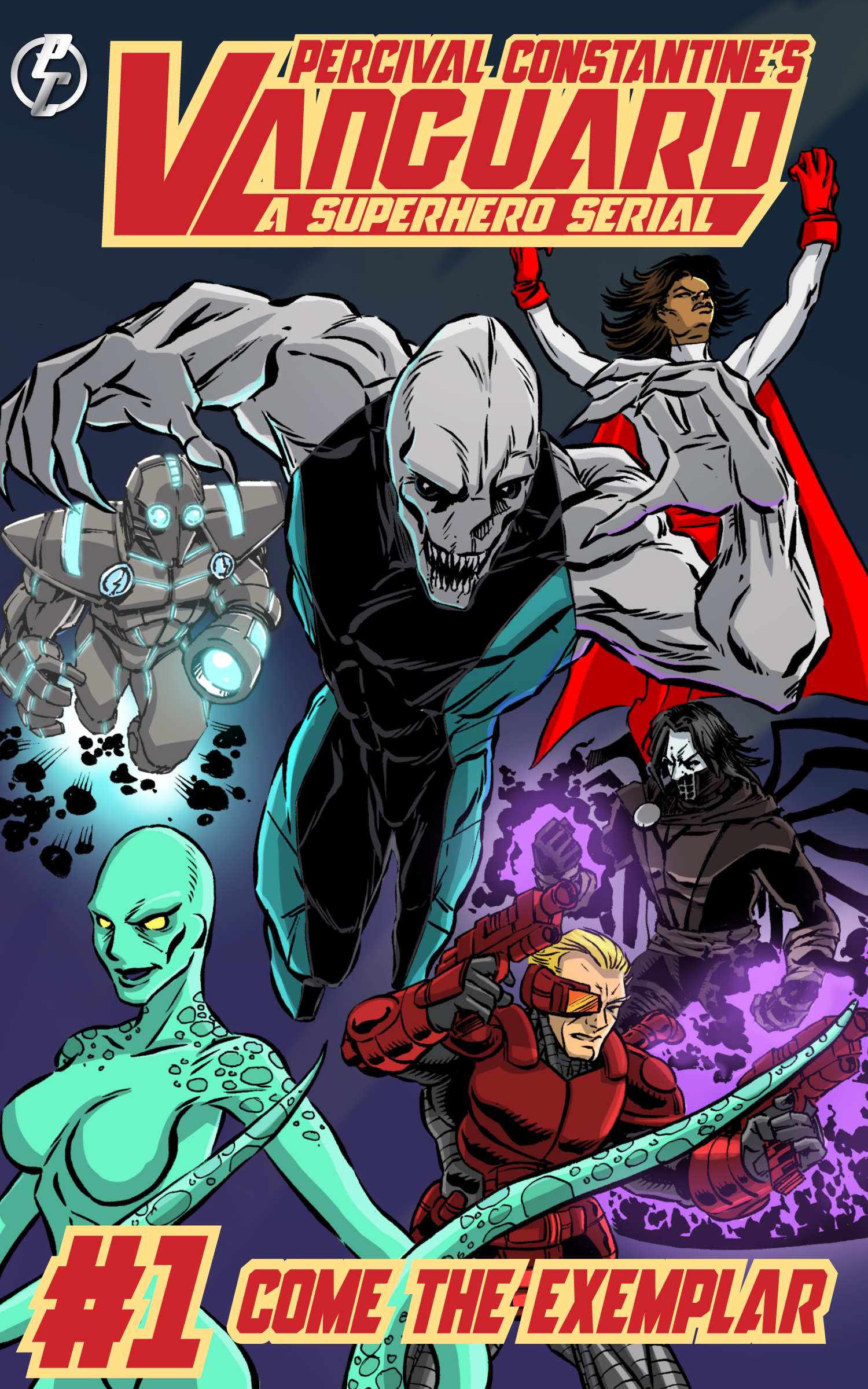
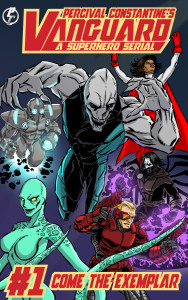
Vanguard 001-01The first episode of Vanguard, my new serial chronicling the adventures of a team of superheroes, is now available exclusively on Amazon!

The world has changed. A mysterious event altered the genetic structure of humanity, granting a small percentage of the population superhuman powers. A small team of these specials has been formed to deal with potential threats. Paragon—telekinetic powerhouse; Zenith—hyper-intelligent automaton; Shift—shape-changing teenager; Wraith—teleporting shadow warrior; Sharkskin—human/shark hybrid. Led by the armored Gunsmith, they are Vanguard!

Callum King’s life has fallen apart. He lost his job, his wife left him, and he was about to end it all—when he discovered he possessed the powers of a superman. Now calling himself the Exemplar, he’s declared himself the world’s first superhero, out to prove those who doubted him wrong. But his arrogance far supersedes his good intentions! Can Vanguard overcome their internal strife in order to face their first threat?

If you’re a fan of superhero comics like the X-Men or the Avengers, then you do not want to miss this new monthly series! Available for only 99¢ on Amazon or free if you’re a member of Kindle Unlimited! Buy it now!
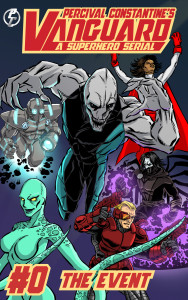
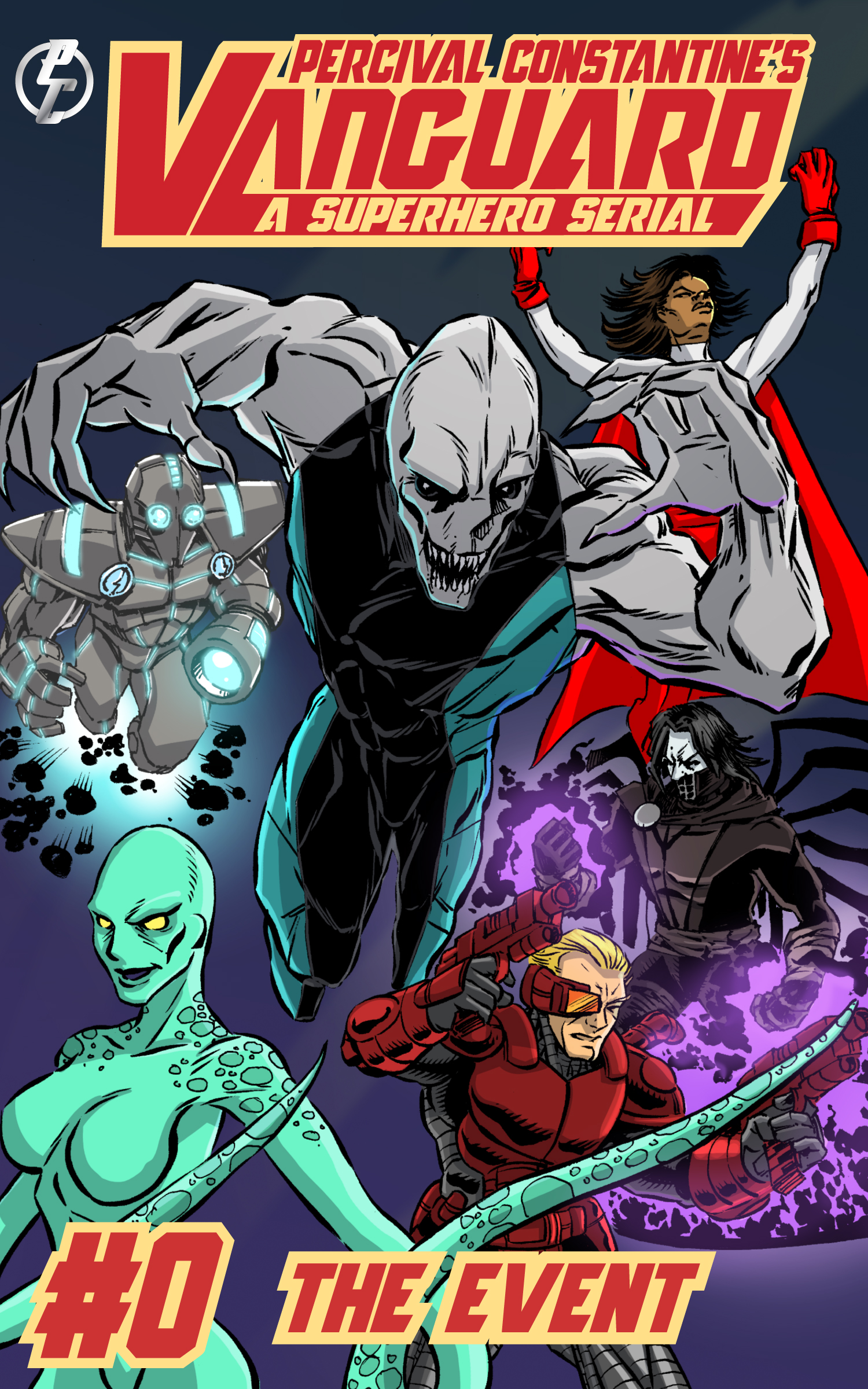
Vanguard 000-01And if you can’t wait for the second installment of the series, there’s a special prequel episode of the series!

Want to know how Vanguard was created? Curious about the specifics of The Event that introduced specials into the world? Then you won’t want to miss Vanguard #0: The Event!

This prequel episode shows the lives of the members of Vanguard before they joined the team and why they signed up. Witness the birth of a legend right here in this exclusive episode. It’s and exclusive to subscribers, so sign up now to receive your free copy!

And also don’t forget Vanguard #2: Cold War Frankenstein, scheduled for release on February 23rd and now available for pre-order on Amazon!

This is a big day for release announcements because I’m not yet done! On the same day that Vanguard #1 came out, Pro Se Productions also released the second installment of my Luther Cross series for their Single Shot Signatures line. Here’s their press release:
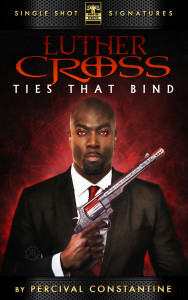
Luther Cross 2 - The Ties That BindPRO SE PRODUCTIONS SINGLE SHOT SIGNATURE SERIES-
FOUR NEW STORIES TO KICK OFF 2015!

At the end of 2013, Pro Se Productions, an innovative publisher of Genre Fiction, debuted its Pro Se Single Shots line, stand alone digital only short story singles at an affordable price. Due to the success of the single self containted tales, Pro Se launched the Pro Se Single Shot Signature line in 2014. The Signature imprint still focuses on digital singles, but invited authors either write individual stand alone stories under a ‘From the Pen of…” title or a series of their own creation, either featuring connected stories or even ‘chapters’ or ‘episodes’ as well as still features single short stories or recurrent ‘chapters’ or ‘episodes’ written as short stories. The New Pulp Publisher debuts the next chapters in four of its inaugural Signature series today.

“The Pro Se Single Shot Signature line,” says Tommy Hancock, Pro Se Productions Partner and Editor in Chief, “is a project that, although it’s gotten off to a slow start, has in many ways altered how Pro Se sees publishing. We’ll continue with our traditional publishing of novels and anthologies, but the Signature imprint allows us to play with all sorts of possibilities of promotion, distribution, and accessing new readership on several levels. With schedules being sorted in the next week or two as well as multiple series and writer’s imprints debuing within the line over the next month or so, Pro Se is preparing to redefine Genre Fiction and New Pulp in 2015. And the four latest installments to the series that kicked off the Signatures are the best way to move forward.”

The four newest releases from the Pro Se Single Shot Signature line are available at Amazon and www.smashwords.com.

FLY GIRL: THE ICE QUEEN by Russ Anderson

Russ Anderson Jr’s Fly Girl returns, soaring into her second adventure in her Pro Se Single Shot Signature series as she faces The Ice Queen!

Still reeling from the events of the first story, 16 year old Caryn Clay struggles to understand her newfound abilities, her truly awesome connection with her Navajo heritage, and the attack of another strangely powered figure, known only as The Trickster. Before she can come to grips with any of that, though, a new foe presents herself. Can Caryn survive the chilling vengeance of a wronged girl? And are she and her mystical feather to blame for the destruction wrought by this frigid new enemy? Find out in The Ice Queen, Fly Girl Book Two by Russ Anderson, Jr., featuring exciting cover and logo design by Jeff Hayes and ebook formatting by Anderson. Available on the Kindle athttp://tinyurl.com/prt4yoo and for most other formats at http://tinyurl.com/q6vm3pl for only 99 cents.

LUTHER CROSS: TIES THAT BIND by Percival Constantine

Author Percival Constantine returns with another tale of Luther Cross—the only man clever enough to con Hell itself. In the second installment of Constantine’s Pro Se Single Shot Signature Series, Cross finds himself embroiled in a missing persons case and becomes dangerously entangled in Ties That Bind.

A stop for breakfast in a small diner becomes a case of life and death…and more for Cross. Overhearing a distraught woman’s plea for help to find her missing brother, Cross senses there is more than simply an absent sibling at work here. Finding themselves on their own deep in the woods, Cross and his new companion discover that small towns not only hide skeletons in the closet. There’s something much worse they keep in the barn.

Ties That Bind, the second digital single short story in Constantine’s Luther Cross Pro Se Single Shot Signature Series, features evocative cover art and logo design by Jeff Hayes and ebook formatting by Russ Anderson. The latest story in Cross’ saga is available for only 99 cents for Kindle at http://tinyurl.com/l79xflt and at Smashwords for other formats at http://tinyurl.com/o76jp2j.

MAGEE: TWO SOULS by David White

The Angel Heaven and Hell hate to see coming discovers new truths in the third installment of author David White’s Magee, a Pro Se Single Shot Series from Pro Se Productions.

Finding love in the arms of a witch, Magee seems to be finding his stride in the mortal world. That is, until a guitar wielding demon shows up, fully intent on playing Magee’s funeral song on his corpse. As the battle ensues, Magee finds himself face to face with unbelievable secrets now revealed as well as an evil older than God itself. An evil that offers Magee the world…or suffering beyond even his imagining.

David White’s Magee: Two Souls is the third digital single short story in this supernatural action Pro Se Single Signature Series and features striking art work and logo design by Jeff Hayes and ebook formatting by Russ Anderson. Get your copy for only 99 cents at Amazon for the Kindle at http://tinyurl.com/k6qcrxb and for most other formats at Smashwords at http://tinyurl.com/pqaptzy.

THE FABULOUS WORLD OF ZENITH: MY FLORIDA IDYLL, PART TWO
by Chuck Miller

Chuck Miller, the master of Psychedelic Pulp, returns with the second episode of the wildest, weirdest Pro Se Single Shot Signature Series yet. The Fabulous World of Zenith, a new and original series that will examine the world of the Black Centipede, Vionna Valis, Mary Kelly and Doctor Unknown Junior from a variety of strange and oblique angles continues on with The Journal of Bloody Mary Jane: My Florida Idyll- Part Two!

Finding herself trapped in the small Florida settlement of Cotton Mather and Ponce De Leon, Mary Jane Gallows continues on her odd mission for the now vampiric Professor Moriarty, as well as her own personal twisted journey. Strange creatures inhabit the dilapidated village surrounding the mysterious Fountain of Youth. Three men stumble their way into the crop of building and strangeness seeking a murderess, not knowing that Bloody Mary Jane is indeed among them. And Miss Gallows finds out much and yet nothing about the future, her destiny, and secrets that could mean her own demise or even better, the end of the world.

The Journal of Bloody Mary Jane: My Florida Idyll- Part Two features a fantastic cover and logo design by Jeff Hayes and ebook formatting by Russ Anderson. It is available for only 99 cents at Amazon for the Kindle at http://tinyurl.com/kxfgfme and at Smashwords for most other formats at http://tinyurl.com/pkbcslh.

For more information on these titles, interviews with the authors, or digital copies for review, contact Morgan McKay, Pro Se’s Director of Corporate Operations, at directorofcorporateoperations@prose-press.com.

To learn more about Pro Se Productions, go to www.prose-press.com. Like Pro Se on Facebook at www.facebook.com/ProSeProductions.
Making the Choice to Unpublish

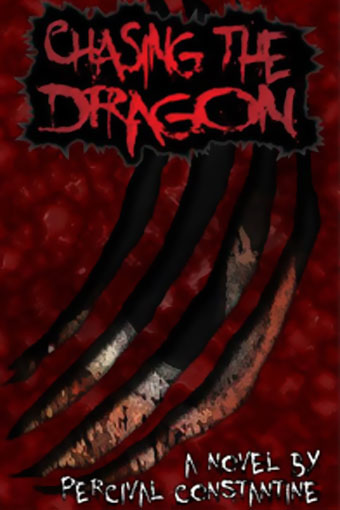
chasingthedragonIf you’ve looked at my Amazon author page or checked out the books page on this site recently, you may have noticed that Chasing The Dragon is missing from my catalogue and is no longer available for purchase digitally (CreateSpace may take some more time to remove the print versions or you might find them from resellers). The reason is because I recently made the decision to pull it from distribution.

Chasing The Dragon has long been the black sheep of my catalogue. It’s a book a wrote a while ago and I always intended to do more with Riker Stone, but it never really materialized. I wrote part of the sequel to the first book, titled Die By The Sword, before I burned out on it. It was around that time that I moved on and started Love & Bullets.

Chasing The Dragon was a pretty experimental book for me. It’s far and away the darkest thing I’ve ever written. I also experimented with point of view, writing some chapters in the first-person perspective and others in the second-person.

I didn’t mind delving into that darkness, but the experimental prose was something I’ve never fully been comfortable with. I think that’s what caused me so much trouble with the second book. I also wasn’t really satisfied with the second half of Chasing The Dragon. I still think the story behind the first half was wonderful, if too much for some people. The cover is also something I’ve never quite gotten comfortable with. I wanted something grungy, but the more I look at it with everything I’ve learned since about cover design, the more I hate it.

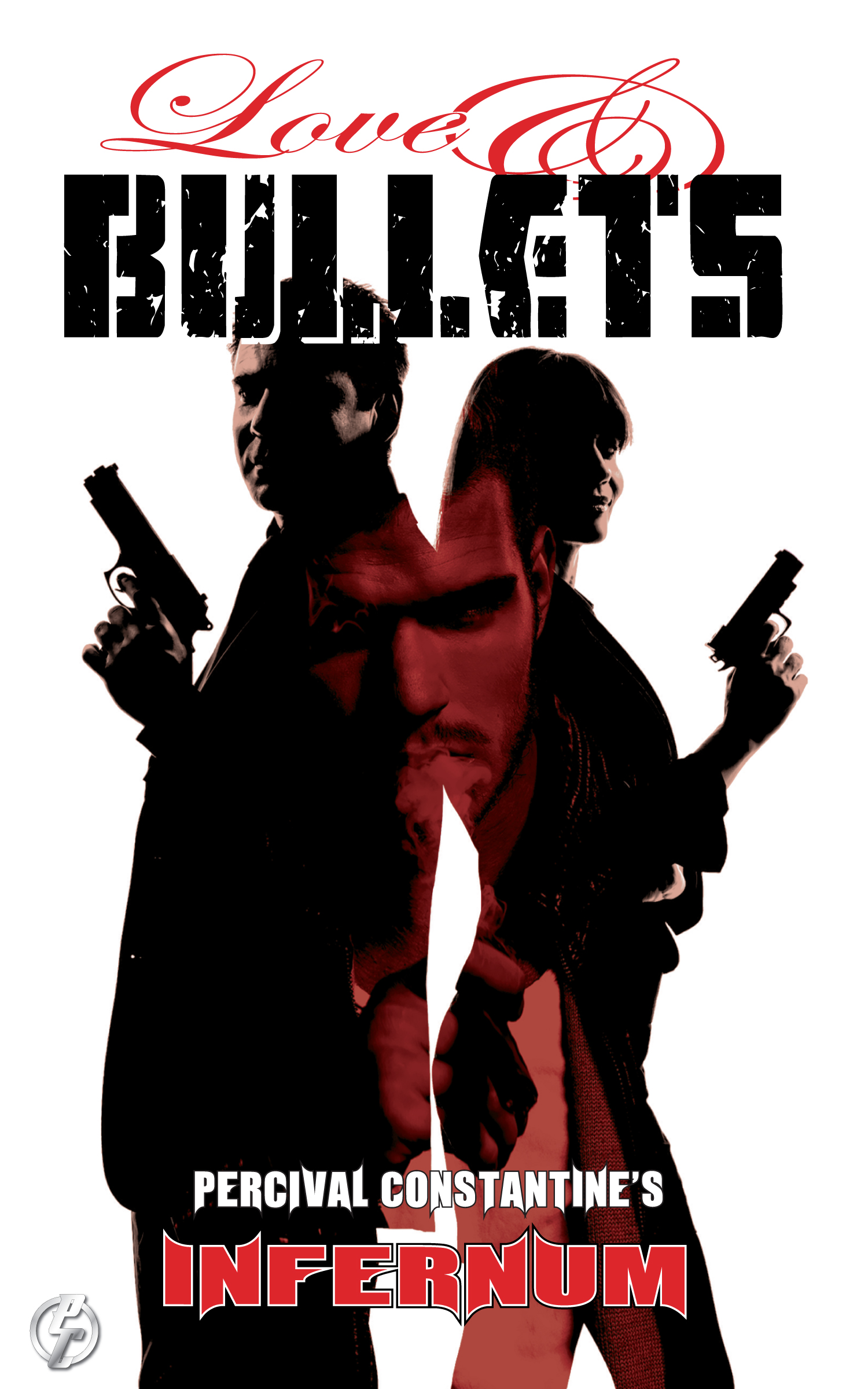
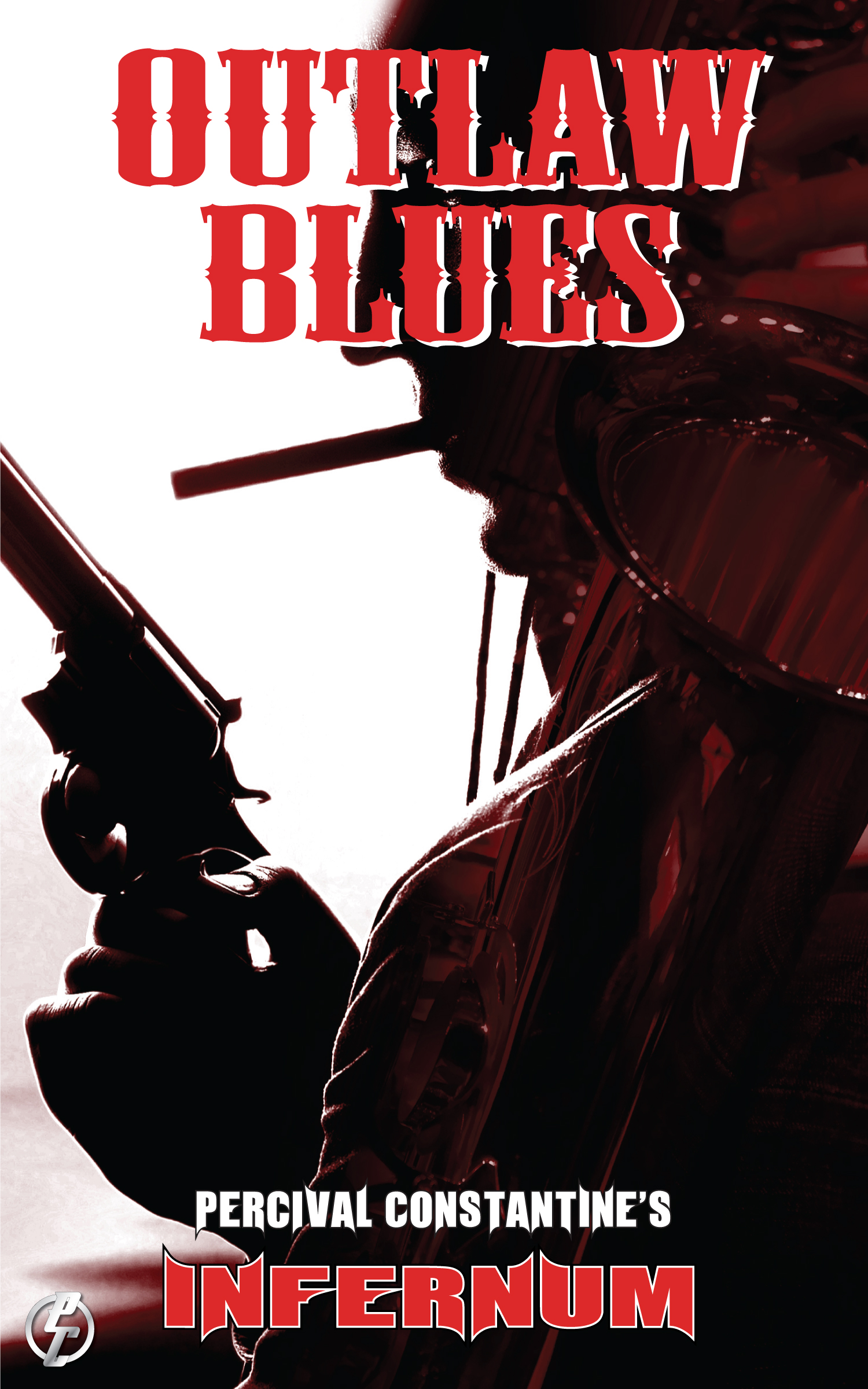
Recently, I’ve had reason to re-evaluate my books and this has meant some reworking of covers and branding. In some cases, this meant complete retools of some covers. I’ve already produced these new covers for the Infernum books, Love & Bullets and Outlaw Blues:

Love & Bullets - 2015 Outlaw Blues - 2015

Covers for future Infernum books will also be done in this same style so that the series link is still obvious even without the Infernum logo. I’ve also got an artist working on new covers for The Myth Hunter books. I’m happy with the current covers for SoulQuest and Fallen, so those will stay as is.

But what to do about Chasing The Dragon? That was still the big question in my mind and ultimately, I decided it was best to just retire the book for the time being. For about a year or more, I’ve been thinking about revisiting Chasing The Dragon and retooling it and now I have the opportunity to do exactly that.

I won’t do it right away, though. Right now I’m about two thirds of the way into the third Myth Hunter book, then I’m going to do the third Infernum book. Both are long overdue. I’ve also got the Vanguard serial and the Luther Cross series for Pro Se.

I will revisit Chasing The Dragon at some point and bring back Riker Stone in a way that the character deserves. But it’ll be a little later down the line.

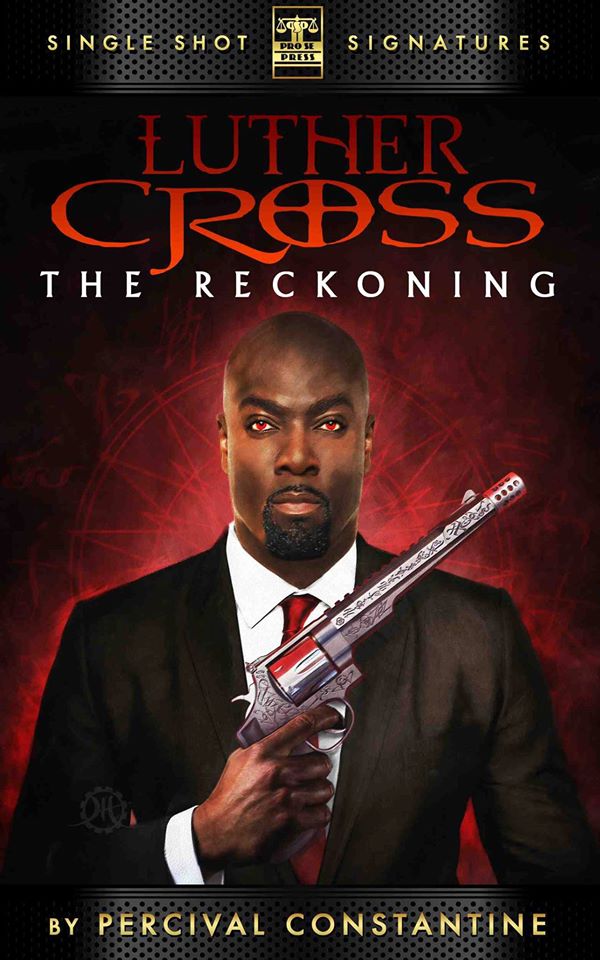
Luther Cross: The Reckoning now available!

Luther Cross 1 - The ReckoningHELL KNOWS NO FURY…UNTIL NOW.
NEW PRO SE SINGLE SHOT SIGNATURE SERIES DEBUTS- ‘LUTHER CROSS’ BY PERCIVAL CONSTANTINE

Continuing with its innovative approach to Genre Fiction and New Pulp, Pro Se Productions announces the debut of its newest Pro Se Single Shot Signature series of digital singles. Author Percival Constantine brings an occult action thriller to the Signature line centered around a man who has literally been through Hell. The Reckoning: Luther Cross Book One is now available from Pro Se Productions.

“Luther Cross,” says Tommy Hancock, Partner in and Editor in Chief of Pro Se Productions, “is a character and a series that will strike a few notes with Genre fans. It has a definite horror/supernatural angle to it and the action sequences sing like fine bloody opera, but the real fun here is the main character himself. Luther is simultaneously a skilled troubleshooter of all things strange and beyond and a man with his own troubled history, which definitely colors his view on the world. Also, Percival instills Cross with this sort of relaxed, deliberate approach to the world around him, both of them, and that makes the character both likable and more approachable to readers.”

Pro Se Productions goes to Hell and back with the debut of its newest Single Shot Signature Series. Author Percival Constantine introduces readers to the enigmatic, inexplicable Luther Cross.

Luther Cross has been through Hell—literally. Born of a mother he watched die, conceived as part of a demonic ritual, and raised by monks after being saved by a mysterious, murderous individual, Cross now makes what living he does through confidence schemes…and the death of demons. What led to a school shooting in a small town, and why is there a mystic component involved? The spirits of the victims call out for help, and only Luther Cross can answer their cries.

“Ebooks,” says Constantine, “have changed the entire market and I’m thrilled to be part of Pro Se’s efforts to take full advantage of the format with the Single Shot Signatures. With the ability to quickly and cheaply publish stories, eBooks are the pulp paper of the new millennium.”

The Reckoning: Luther Cross Book One features stunning cover art and design by Jeff Hayes, main title logo by Constantine, and eBook formatting by Russ Anderson. The first issue of the latest Pro Se Single Shot Signature Series is available for the Kindle via Amazon and for most eBook formats at www.smashwords.com for only 99 cents.

For more information on this title, interviews with the author, or digital copies for review, contact Morgan McKay, Pro Se’s Director of Corporate Operations, at directorofcorporateoperations@prose-press.com.

For more information on Pro Se Productions, go to www.prose-press.com.Like Pro Se on Facebook at www.facebook.com/ProSeProductions.
[mybooktable book=”luther-cross-the-reckoning” display=”default”]

Why I Won’t Be Joining Kindle Unlimited

kuAmazon’s new Kindle Unlimited has been in the news a lot lately. The deal with Kindle Unlimited is it’s basically like Netflix or Spotify, but for books. You pay $9.99 per month and that gives you access to an unlimited number of books to read on your Kindle or any other device that has a Kindle app.

Let me get this out of the way right now: I think this is a very bad idea. I know some readers are excited about the prospect of getting access to an unlimited number of books, but what’s getting lost in all the excitement is how the writers will be compensated for their work. And the answer is not very much.

“But wait, Perry. Don’t you have books available on Scribd and Oyster? Aren’t those the same thing as Kindle Unlimited? What’s the difference?”

I’m glad you asked, and I’ll tell you the biggest differences:

Royalties

My books are available on Scribd and Oyster through my Smashwords account. The deal I have with Scribd and Oyster is the same every author has—each read basically counts as a sale and I get 60% of the list price of my book. With Amazon, I get…well, nobody yet knows what indies get. Because one of the things Amazon is doing is treating indie authors like second-class citizens. See, traditionally-published authors, their borrows are treated as sales, which is how it is with Oyster and Scribd. I think a few select, high-selling indie authors are getting this deal as well. But the rest of us? Doesn’t matter if your book is 99¢ or $20, you get paid a percentage of the global KDP fund. This fund is how Amazon authors in Select are paid for borrows through Amazon Prime. But the difference is that with Prime, users are limited to one book borrow a month. Unlimited doesn’t have that cap. Your earnings depend on how your book does on KU in comparison to other books.

Exclusivity

Another thing Amazon requires which Oyster and Scribd don’t is exclusivity. For authors to enroll their books in Kindle Unlimited, their books have to be enrolled in KDP Select. What that means is authors cannot have their books available anywhere else in digital formats. Barnes & Noble, iBooks, Kobo, can’t put any of your books in those channels. And also, there’s no opt out. If you’re in Select, you’re in Kindle Unlimited, period. The only way to get out of KU is to get out of Select.

Unfair Terms

Some indies are under the impression that this will mean indie authors will get more exposure. I sincerely doubt that. One of the best avenues indies have had for getting the attention of readers has been competitive pricing. Traditionally published ebooks are the same price (or sometimes more) as the print counterparts. Indie books tend to be priced much cheaper, usually under $5.99. But with Kindle Unlimited, that price difference is gone. And if you go to the Kindle Unlimited homepage, about 99% of the books that are spotlighted are traditionally published. Amazon is allowing traditional publishers to make the list price off this and they don’t need exclusivity, while indies are being tossed pennies and being asked to subsidize the big guys.

The idea here is that people will go to KU for Hunger Games and Harry Potter, and then they’ll discover indie books later. Basically, the same theory that applies to trickle-down economics. And we’ve all seen how well that works (hint: it doesn’t).

Currently, the books in my Myth Hunter series are enrolled in Select and as a result, KU. At the moment, I am keeping them enrolled for a little longer, because I have a promotion through Select that I’ve already bought ads for (a promotion that was scheduled before this KU thing started). If not for that promotion, I would remove them immediately from Select.

The Spotify comparison is a very good one for this. Spotify has been extremely bad for musicians, as it requires several thousand streams of a song before a musician makes the equivalent of the sale of one LP.

In order for authors to continue writing great books, we need to be well-compensated for our work. Kindle Unlimited is undercutting and undervaluing the hard work of indie authors.

Don’t Be Petty

Author Lynn Shepherd recently wrote a blog post for the Huffington Post entitled “If JK Rowling Cares About Writing, She Should Stop Doing It.” A lot of people, myself included, have a lot of problems with this article. Let’s have a look at why:

I didn’t much mind Rowling when she was Pottering about. I’ve never read a word (or seen a minute) so I can’t comment on whether the books were good, bad or indifferent. I did think it a shame that adults were reading them (rather than just reading them to their children, which is another thing altogether), mainly because there’s so many other books out there that are surely more stimulating for grown-up minds.

Okay, let’s stop for a minute. Right off the bat, Shepherd comes off as an elitist snob. “You must read books that are intellectually stimulating. If it’s a children’s book, or if it involves fantasy, then it cannot be intellectually stimulating.” By Shepherd’s own admission, she’s never even read any of the Harry Potter books. Just the very notion that adults would dare to read something that doesn’t fit in Shepherd’s narrow-minded definition of “intellectually stimulating” is enough for her to take issue. Adults should read whatever books they like and the elitists like Shepherd should stay in their ivory towers and leave us common folk to our own devices.

It would have been bad enough had Shepherd just stopped there. But she decided to keep going. Because, you see, if you’re not a big name writer, apparently Rowling is destroying your career. Because Rowling wrote The Casual Vacancy and apparently Shepherd is annoyed that people bought it instead of her books:

It wasn’t just that the hype was drearily excessive, or that (by all accounts) the novel was no masterpiece and yet sold by the hundredweight, it was the way it crowded out everything else, however good, however worthwhile. That book sucked the oxygen from the entire publishing and reading atmosphere. And I chose that analogy quite deliberately, because I think that sort of monopoly can make it next to impossible for anything else to survive, let alone thrive. Publishing a book is hard enough at the best of times, especially in an industry already far too fixated with Big Names and Sure Things, but what can an ordinary author do, up against such a Golgomath?

This line of thinking is, of course, patently ridiculous. What Shepherd is essentially doing is blaming her lack of success on Rowling’s success. Where I come from, we have a word for this: it’s called petty-minded jealousy. Not to mention a lack of personal responsibility.

But Shepherd decided to then go further:

So this is my plea to JK Rowling. Remember what it was like when The Cuckoo’s Callinghad only sold a few boxes and think about those of us who are stuck there, because we can’t wave a wand and turn our books into overnight bestsellers merely by saying the magic word. By all means keep writing for kids, or for your personal pleasure – I would never deny anyone that – but when it comes to the adult market you’ve had your turn. Enjoy your vast fortune and the good you’re doing with it, luxuriate in the love of your legions of fans, and good luck to you on both counts. But it’s time to give other writers, and other writing, room to breathe.

If I were Rowling, my response to this would be, “who the hell do you think you are, lady?” What gives Shepherd the right? And more than that, her arrogance knows no bounds—she’s not standing up for all writers who might be affected by Rowling’s success (which is total nonsense but I’ll get to that in a minute), she’s only standing up for her. Look at what she says: “By all means keep writing for kids.” Or in other words, “you can take away sales from other writers, just not me.”

Now, as to why this whole notion is nonsense. It’s been said that a rising tide lifts all boats. And in reality, Shepherd should be thanking, not condemning, Rowling. Because fans of the Harry Potter series may not have ever tried reading books like The Casual Vacancy or The Cuckoo’s Calling. But thanks to Rowling, now they very well might. And if they like what they read, they might seek out other books in those genres. Perhaps books like the ones written by Lynn Shepherd.

Well…that might have happened. Had Shepherd not seen fit to publicly order Rowling to stay out of her territory as if the publishing world was akin to gangland turf (although that might be kind of fun if it were).

I’m by no means a successful author. Even in the world of New Pulp, I’m not as successful as the likes of Barry Reese, Bobby Nash, Derrick Ferguson, Van Allen Plexico, or others. But do you know what I’ve never done? I’ve never said, either publicly or privately, that the reason my books don’t sell is because of these other New Pulp writers. It’s flat-out idiotic.

Pay the Writer

shakespeare-got-to-get-paidRecently, a fellow New Pulp author posted on Facebook saying that he was asked by someone if he could make a living off his writing and he tried not to laugh. Another New Pulp author said that he has family members who are convinced he’s sitting on mountains of cash from his writing career and is lying when he says otherwise.

It’s an unfortunate truth that the vast majority of us writing in New Pulp still have to have day jobs, because we do not make enough off of our writing to live off of. Even if I were making enough money from my writing to live off of, I’d still need a day job for visa purposes (the joys of dealing with the Japanese immigration system).

So when my fellow writers tell me they aren’t making enough to live off of, I nod my head in sad agreement. But what gets me is that invariably there’s someone who will come along with the “true writers write for the joy of writing, not for the money.”

That kind of mentality drives me nuts.

I’m going to post this quote from an interview with Harlan Ellison:

They always want the writer to work for nothing. And the problem is there’s so goddamn many writers who have no idea that they’re supposed to be paid every time they do something. They do it for nothing!

I love writing. Novels, novellas, short stories, comics, film and TV scripts—I love it. If I made enough money off writing to live comfortably, then I’d quit my day job so fast, it’d make your head spin. But the notion that artists don’t or shouldn’t care about money, that they’re “sell-outs” if they use their art to earn a paycheck, is just flat-out nonsense and it’s something I’m sick and tired of hearing.

If a carpenter loves his job, would you expect him to build you a table for free? If a mechanic loves his job, would you expect him to fix your car for free? If a chef loves his job, would you expect him to cook your food for free?

Absolutely not. So why is it with the arts there’s always this idea of “well if you’re a true artist, you’ll do it because you love it, not because you want to get paid.”

Fuck. That.

If you think I’m not trying to build a career out of my writing, a career that pays the bills and provides for my family, then you are out of your freaking mind. If I didn’t want money for my writing, I would only write fanfiction. If I didn’t want money for my writing, I would post up all my stuff on Wattpad and not even bother with publication. If I didn’t want money for my writing, I wouldn’t pay for cover design.

Money isn’t the only reason why I write, but it absolutely is a factor. Anyone who sells their writing and says otherwise is flat-out lying. And it’s because we’ve built up this image in our culture of the noble starving artist, slaving away at his craft not because he’s trying to enrich his soul instead of his bankbook.

Kill the starving artist. Stop perpetuating that stereotype. Because it’s that stereotype that leads to people thinking they can exploit writers and artists by getting them to do work for free.

Writers may not be laying brick or performing life-saving operations or stopping violent crimes or anything like that. But it’s still work. It’s a valuable service that people need. Writers who make a living off their art aren’t whores or sell-outs—they’re smart.

Self-Publishers: Hold Yourselves to a Higher Standard

Last month, Chuck Wendig posted an entry on his terribleminds blog, entitled Self-Publishing Is Not The Minor Leagues. Like a lot of Chuck’s posts, it’s a great read. I’m just going to quote a small portion of it, because you should read the whole thing:

The attitude that pervades self-publishing is that it’s a good place to test your craft, to hone your work. We are reminded constantly that the cream floats to the top, that all the crappy self-publishing efforts have no effect on anything or anybody ever despite evidence to the contrary. The culture forgives and sometimes congratulates even the most meager of efforts because of how courageous someone is to take the plunge to publish their own work. The culture says, “Just click publish!” The culture criticizes the faults of traditional-publishing, but excuses (or celebrates) its own. And yet, sometime in the same breath, self-publishing gets painted as a path to traditional publishing, not as a path separate and scenic all its own.

The culture is full of contradictions.

One of the things that he talks about is that self-publishers should be more critical. The basic gist of it is this: if you think your writing is good enough to complete with traditional publishing, then you should make sure that it is presented as professionally as traditionally-published books.

That means revising. That means proofreading. That means editing (and that means getting someone else to edit it as well). That means formatting it properly. That means either designing a professional cover or hiring someone to do it for you.

Now to me, that all sounds pretty non-controversial, right?

Well apparently, I was wrong. Because it has set off a firebomb in the self-publishing community. The entry generated 217 comments, and not all of them were agreeing with Chuck. Over at kboards, there was a lot of pissing and moaning about it, so much that Chuck posted a follow-up. Then there was another post. And another.

You can read some of the comments from people who vehemently disagree with Chuck. As usual when someone suggests a bit more self-criticism, there have been cries and shouts of, “YOU’RE TRAMPLING ON OUR FREEDOM!” One person said that mediocrity and half-assed books should be celebrated and then, in the same post, said that no one is suggesting that self-published books shouldn’t be the best they can be.

joker-not-sure-if-serious

Yeah, I know. I was confused, too.

Here is a fact about self-publishing: it has a terrible reputation. Fairly recently I had a conversation with someone who said that if it’s not good enough to be accepted by a publisher, it’s not good enough to be published, period. Yes, that is a very ignorant way of thinking, but it’s also, unfortunately, not uncommon.

And this race-to-the-bottom, anything goes, “it’s okay if your book looks like shit” mentality does not help. It only encourages the thinking among the general public that self-publishing is a toilet. The fact that a site like Lousy Book Covers even exists is not encouraging.

Is it true that all self-published books are crap that no self-respecting publisher would ever touch? Absolutely not. Is it true that all traditionally-published books are staggering works of brilliance? Hell no. There are both self-published books that are far superior to traditionally-published books, and there are both self-published and traditionally-published books I wouldn’t deem good enough to throw in my fireplace (if I had a fireplace).

If you want to be taken seriously as a professional writer, then you need to start approaching your work with the mindset of a professional.

I’ve seen some retorts to this. Like “well people can browse free samples on Amazon and then they’ll know if a book is worth their time.” Say you need five pages before you decide whether or not a book is worth your money. So you read five pages of one book. It’s poorly edited (if edited at all), there are grammar and spelling mistakes that would cause your high school English teacher to smash the blackboard, and the formatting is sloppy. So you then go to another book. Same problem. And another. And another. Say you go through the first five pages of ten books and they’re all terrible. That’s fifty pages you’ve just read. Would you keep going or would you stop and jump over to the best-seller lists?

This isn’t just speculation—this is stuff I’ve heard from readers. There are a great many people who have sworn off self-published books because of problems like this.

Yes, you learn things over the course of a writing career. Yes, your first book will be much different from your tenth book, because you’ve learned a lot over that time. You learn more about characterization and description. You learn more about pacing and plotting. You learn more about marketing. But one thing you should not be learning as you go is, “wow, I guess Comic Sans is not a good font choice for a cover.” One thing you should not be learning as you go is, “huh, maybe it would have been a good idea to revise this before I published it.”

Here’s a little test you can do: go to your local bookstore or library and find a traditionally-published book that you think is terrible. Look at the cover. Flip through the pages. Regardless of the quality of the story, do you know what you will not find? You will not find an abundance of grammatical and spelling errors. You will not find poor formatting. You will not find Comic Sans anywhere on the cover. Regardless of the story inside, the product has a professional standard. That’s what I’m talking about—hold your book to that same standard.

Self-publishing is easier than ever. You could drink an entire bottle of tequila, bang out a few thousand words on your computer, and then upload the file to KDP without even looking twice at it. You could also spend your entire weekend sitting in your own feces because you don’t want to get up from the couch while binge-watching Breaking Bad on Netflix.

Or in other words, just because you can do something doesn’t mean you should do it.

The point of turning off your internal editor when writing your first draft is so you can just get it out there. But once that draft is finished, you have to turn that internal editor back on and let him go ape-shit on your manuscript. Then you should revise it and hand it over to someone else. And you should format it to a professional standard, regardless of if it’s an ebook or a print book. And then you should design a professionally-looking cover.

And yes, if you cannot do this, then you may have to pay someone. Don’t give me that crap about how “it’s too hard” or “I can’t afford it”—either buckle down and do the work, or save up until you can afford it.

There is no excuse for shoddy products. Self-publishing is great, it’s opened a lot of doors for me that would have otherwise remained closed. If you want your work to be taken seriously, then you have to take it seriously yourself. If you want to be treated like a professional, then act like a professional.

If that’s too much to ask, then please go somewhere else. Because you’re only hurting the rest of us.


EDIT: This post has recently gotten some new traffic. And since I’ve already had to deal with one person who evidently thought it would be more fun to simply skim the post and then call me to task for things I never even said (all while ironically badmouthing me for making false assumptions), I’m going to lay a new ground rule: comments are moderated. I don’t put up with any bullshit here. If you’re not going to play nice, then your comments will be marked as spam. Simple as that.

Japan Writers Conference

jwcNow that I’ve had some time, I wanted to talk a bit more about the Japan Writers Conference. I’m not sure how I stumbled upon their website back in the spring, but I was extremely excited once I did. Even more excited when I saw they were accepting proposals for presentations.

Immediately, I put together two presentations I had ideas for. One was on self-publishing and the other was on New Pulp, two subjects that I have a lot to talk about. I sent both proposals in and finally heard back from the organizers, John Gribble and Bern Mulvey, that my presentation on self-publishing was accepted. Then later, a few months before the conference, I received another email asking them if I could also prepare my New Pulp presentation, as they had an additional open slot.

I wasn’t sure what to expect from the conference, but as the date grew closer, I started to receive a lot more retweets from the JWC and also from JETWit. Already I was seeing some positive response to my participation in this conference.

When the actual weekend came, I hopped a flight from Kagoshima down to Okinawa, and man was that a whirlwind of a morning. My flight landed just before noon, my first presentation was scheduled for 2 pm, and I had to get from the airport in Naha to the Okinawa Christian University, roughly half an hour by car. I wasn’t sure what the buses were like that afternoon, so I decided to bite the bullet and rent a car. Traffic on the streets of Naha is pretty intense, but fortunately I managed to make it to the conference about twenty minutes before my presentation.

My first presentation was the one on New Pulp, and I was extremely nervous. You’d think after teaching classes of screaming kids for over five years that a roomful of calm adults who understood my native language would be no challenge. Sure enough, that’s what I thought, but damn was I ever nervous. I felt like a total amateur in that moment, and I was so convinced that everyone in the audience thought I was wasting their time. I was almost afraid to ask if there were any questions at the end of my presentation. I was worried the questions would be in the vein of, “this was completely pointless, can I get my thirty minutes back?” But quite the opposite, there were a number of questions, and they were all great. After the presentation was over, a number of people came up to me and there was much handing off of business cards and discussions to be had about writing.

The convention was only two days and this was the first time I’d met any of these people. Normally, when I’m thrust into a strange environment with people I don’t know, I’m really nervous and find it difficult to interact with other people. But there’s something about being around other writers, people who think like you, that helps alleviate that. I ended up making a number of great contacts while I was there, and having a lot of fun interactions with everyone.

The Japan Writers Conference is a great place for English writers in Japan, both established and aspiring, to find a place to network and communicate, and learn about ways to expand your influence and learn a lot about writing, making connections, and marketing.

If you’re a writer in Japan, there really isn’t a reason why you shouldn’t try to attend if you have the time. It’s well worth the trip. Visit the JWC website and Twitter feed to stay up to date on the announcement. Also check out Tokyo Tom Baker’s site for a video featuring various people (including me) who attended the JWC and what they had to say about it.

The PulpWork Christmas Special 2013 is now available!

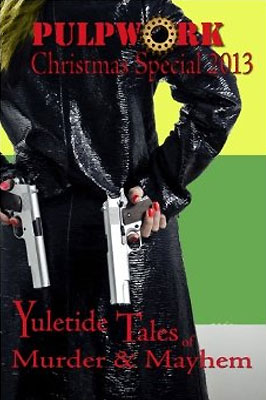
The PulpWork Christmas Special 2013 is now available for sale! This book contains four short stories, penned by myself, Joel Jenkins, Russ Anderson, and Josh Reynolds. My contribution to this is “The Wild Hunt,” a story that features Asami, the kitsune changeling from The Myth Hunter and Dragon Kings of the Orient. In this tale, Asami is back in Japan and while tracking a yuki-onna (snow woman), she discovers something far more dangerous.

For those who are waiting for the third Myth Hunter book, you’ll…have to wait a bit longer. I’ve got a rough idea of the plot and some scattered notes, but I’ve got a few other projects I’m focusing on at the moment. So hopefully this story will be able to tide you over for a bit!

[mybooktable book=”pulpwork-christmas-special-2013″]