Asian Pulp debuts!

Asian Pulp

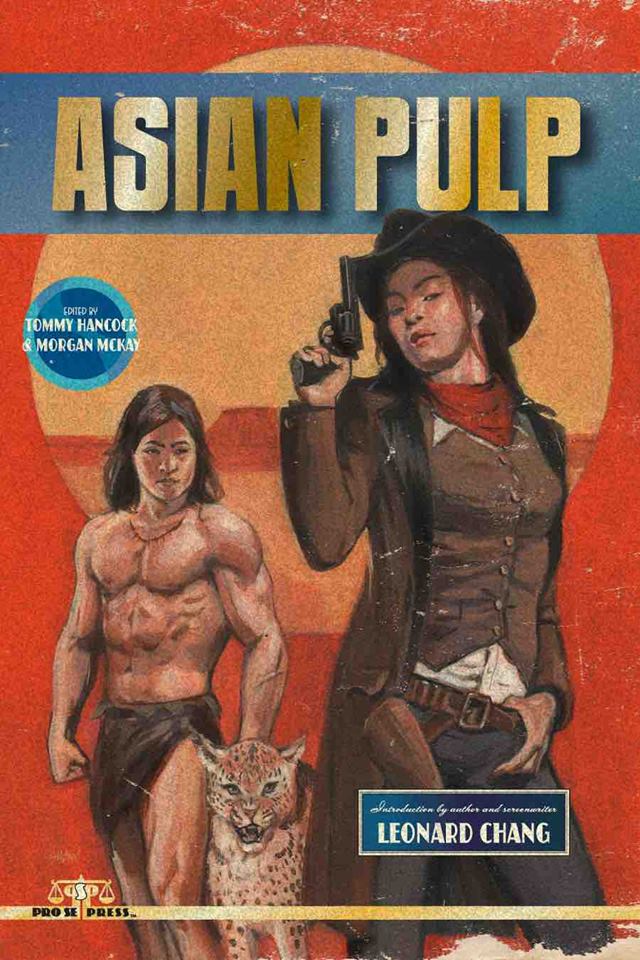
In April 2013, Pro Se Productions released ‘Black Pulp’, a collection of stories written in classic pulp genres featuring lead characters of African descent. Not only were readers captivated by the cast of characters featured in the book, they also saw the potential of future volumes, both of ‘Black Pulp’, and collections featuring other ethnicities in much the same way. Pro Se Productions proudly announces the release of ‘Asian Pulp’, featuring seventeen of today’s best authors, in both print and digital format.

Leonard Chang, novelist and writer and co-producer of the TV crime drama ‘Justified’, states in his introduction to ‘Asian Pulp’, “The world of pulp fiction was a world that I understood—it was a reaction to trauma, both as art and as catharsis. Personal trauma. Emotional trauma. Physical trauma. National trauma. This is why I responded to it, why I immersed myself in it. And why, whenever I was in a personal and artistic crisis, it saved me. Fiction is a reflection of and commentary on life, and I needed to find a reflection of and commentary on my life.

That there weren’t any Asian Americans in the pulp I was reading wasn’t a problem (or if there were Asians they tended to be dismissible stereotypes) — no, not a problem at all, but actually an opportunity. I’ve always viewed writing as providing myself with more reading material. I write what I can’t find out there. Why not have a Korean American act as a private eye, and infuse in his character all the traits I wanted to see but haven’t? Why not write about Korean American gangsters, criminals, and detectives? And this is where we, as writers, all began moving toward: writing about people we want to see on the page, in lives and stories that speak to us.”

Following in the tradition of the best selling ‘Black Pulp’, from Today’s Best Authors and up and coming writers comes ‘Asian Pulp’ from Pro Se Productions! A collection of stories featuring characters of Asian origin or descent in stories that run the gamut of genre fiction!

‘Asian Pulp’ includes works from Don Lee, Naomi Hirahara, Kimberly Richardson, Percival Constantine, William F. Wu, Gary Phillips, Calvin McMillin, Mark Finn, Dale Furutani, Steph Cha, Henry Chang, Sean Taylor, Gigi Pandian, Louise Herring-Jones, Alan J. Porter, and David C. Smith. The anthology opens with an introduction from Leonard Chang.

“As an author of color who writes genre fiction,” says Gigi Pandian, “I love finding books where there are diverse characters in exciting stories. Ever since I was a kid, I’ve loved reading mystery and adventure stories, but characters in the types of stories I enjoy rarely reflect my own ethnic heritage or the diversity around me (my father is an immigrant from India, and I grew up in California). When I became a writer, I naturally created characters that were part of my own life experience. I enjoyed ‘Black Pulp’, so it was an honor to be invited to contribute a story for this new anthology. ‘Black Pulp’ was first and foremost a great collection of fiction–but I also loved how black writers and characters were brought into the spotlight. I hope ‘Asian Pulp’ does the same thing for Asian writers and characters.”

Mysteries, westerns, stories of crime and noir, and more, all with Asian characters in the lead! Between these covers are 17 tales of action, adventure, and thrills featuring heroes and heroines of a different shade that will appeal to audiences everywhere. ‘Asian Pulp’. From Pro Se Productions.
Nothing Found

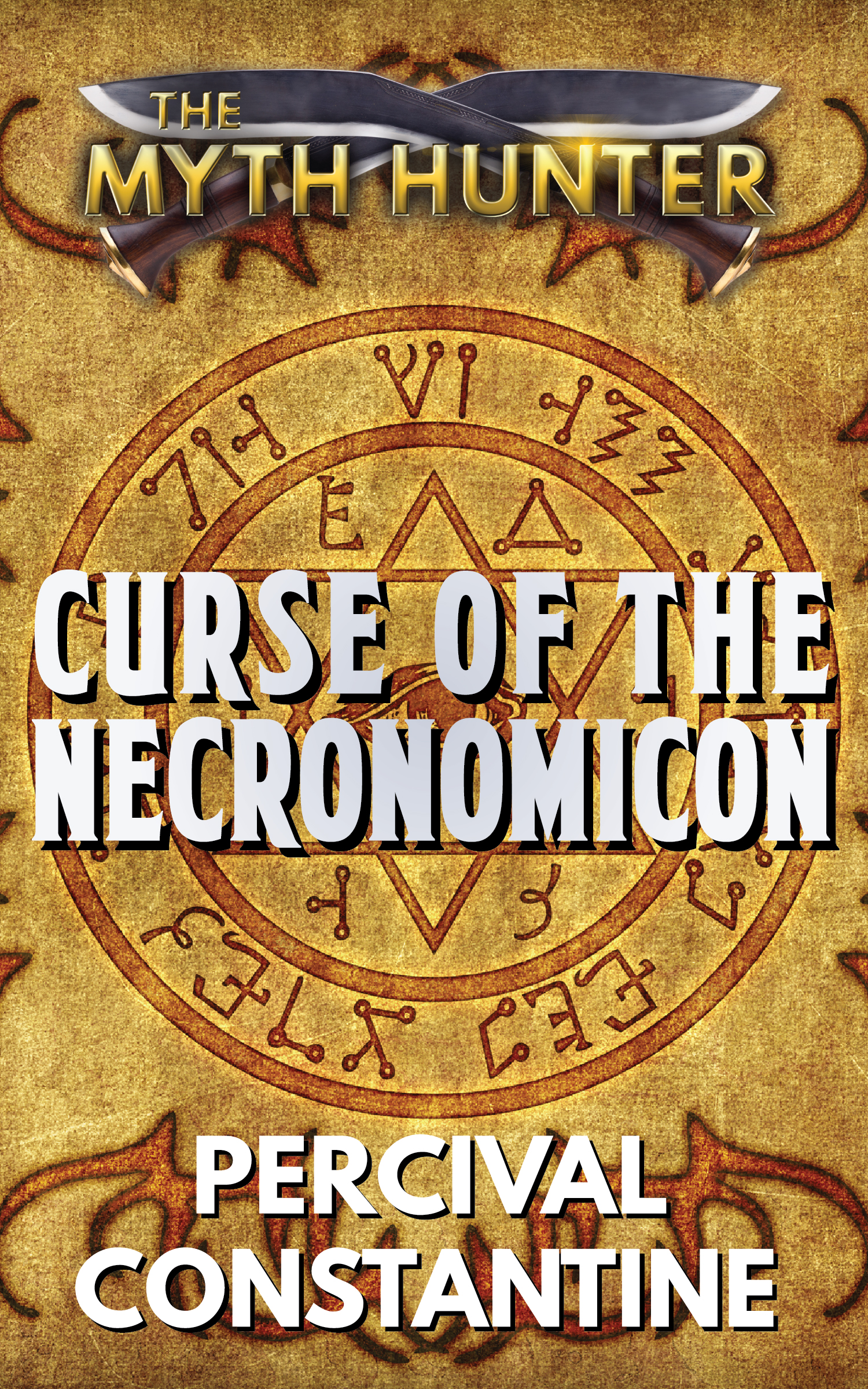
Elisa Hill is back in Curse of the Necronomicon!

It’s been a long wait, but Elisa Hill and her allies are back in the third book in The Myth Hunter series—the long-awaited Curse of the Necronomicon!

Elisa has lived two lives—that of a university professor of mythological studies while also traveling the world as a globe-trotting adventurer. But now, that delicate balance is in danger of being disturbed when a wealthy collector offers her a new job—track down the Necronomicon!

She’s not the first person who’s been sent after the fabled grimoire, though. Her former partner and rival, Lucas Davalos, was previously hired to locate the book, but went missing.

Can Elisa discover the secret of the Necronomicon and locate the missing Davalos?

Curse of the Necronomicon is now available on all platforms, both in print and digital formats. Pick it up today!

Nothing Found

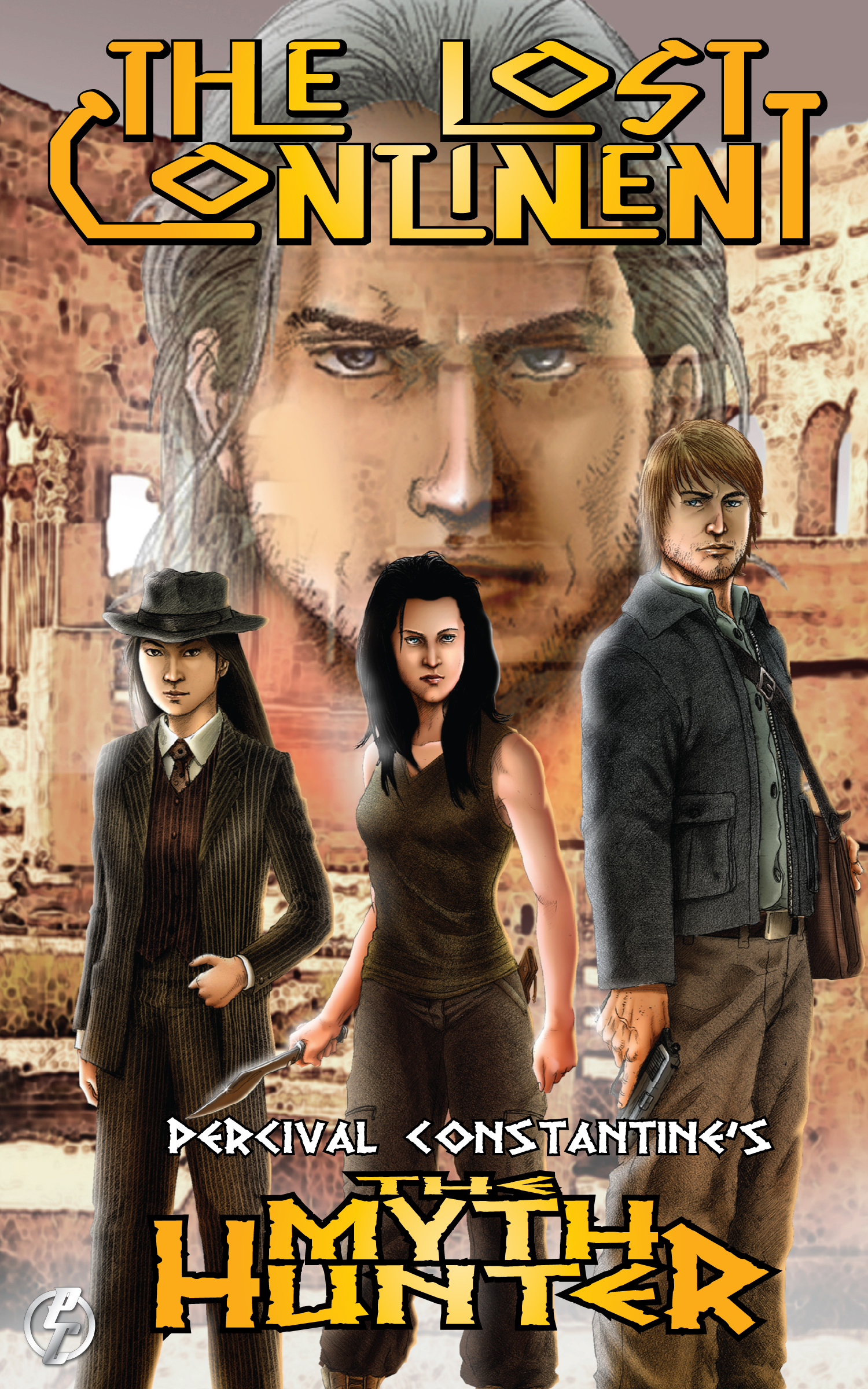
And if you aren’t familiar with The Myth Hunter, the first book, The Lost Continent, is now available free!

The Lost Continent

The Lost Continent

Author: Percival Constantine
Series: The Myth Hunter, Book 1
Genres: Action, Adventure, Fantasy
Tags: Audiobooks, Free
Publisher: Pulp Corner Press
Publication Year: 2011
Length: 156 pages
ASIN: B0053QY458
ISBN: 1507834780

When adventuring myth hunter Elisa Hill discovers evidence of the existence of the lost continent of Lemuria, she finds herself locked in a race against time to learn the mysterious secrets! Also on her tail are a former partner and a secret society, as well as a ruthless assassin!

About the Book

A mystery older than time!

There is a hidden world beneath the one you know, one in which all the stories from mythology are true. Elisa Hill is the latest in a long line of myth hunters, adventurers who travel the world seeking out the truth behind the legend. But the mystery of ancient Lemuria has eluded her and her family for decades.

Until now.

New evidence has finally given Elisa the opportunity to uncover the secret her parents went to their graves pursuing. But standing in her way is a secret society that wants Lemuria’s secrets for a far darker purpose. Their chief operative is a man who knows Elisa better than anyone—her former partner.

The tension builds and soon, Elisa will have to make a decision—is her quest worth the risk of these secrets falling into the wrong hands?

This book is full of vivid descriptions, fantastically crafted narrative, intriguing and engaging dialogue, but its biggest star is the characterization. u00a0Constantine brings each and every character to life, not just with vivid details, but with emotions and passions. u00a0Even the characters we are meant to like leave us feeling a little divided on just how much we like them, and thatu2019s a sign of humanity granted to a written creation, a skill many writers never ever develop.
– Tommy Hancock, Pro Se Press
From the opening action sequence to the last climatic battle with a cruel and vicious assassin, The Myth Hunter is a super charged thriller that never lets upu2026a solid, masterful thriller by a young writer realizing his tremendous potential.
Sign up for Updates
Look Inside
Disclosure of Material Connection: Some of the links in the page above are "affiliate links." This means if you click on the link and purchase the item, I will receive an affiliate commission. I am disclosing this in accordance with the Federal Trade Commission's 16 CFR, Part 255: "Guides Concerning the Use of Endorsements and Testimonials in Advertising."

Writing productivity

images_increasing-productivityProductivity is something I struggle with. Pretty much all my life, I’ve been a procrastinator. In high school, I did a lot of my homework assignments in homeroom the period before I had to turn them in. In college, I would get a month to read a book and put it off until the week before it had to be finished. I would write all my papers the night before they were due. When I was single, I wouldn’t do the dishes or the wash until I ran out of clean plates and clothes.

And unfortunately, that’s also true with writing fiction. Even when I had a deadline to finish a book or a story, I would put it off. It’s why for the first seven years of my publishing career, I would only put out one book a year. I’m trying to change that and so far, I’ve managed to put out monthly releases, and I have monthly releases scheduled for the rest of the year. At the time I’m writing this, I’ve already got content ready to go up to November.

So I’ve found little ways to increase my productivity. Before I would write whenever I felt like it. Now, I make time for writing and I try to do at least an hour of work Monday through Friday. Weekends can sometimes be really difficult because my day job schedule on weekends is all over the place (although if I do have time on the weekends, I will write).

Something else I’ve done is changed the time of day I write. I used to write at night before bed. But when I examined this, it proved problematic. When putting off writing until the night, I would often get too tired and not want to do anything other than watch Netflix and sip some scotch. So now I make sure to do it as close to the morning as possible. As long as I write before 5 in the afternoon, I’m good. If that clock hits 5, though, it’s a lot harder for me to get started.

Another thing is outlining. I could talk about this more at another point though, so I won’t go into any detail here. Suffice to say, outlining has greatly helped me boost my writing output.

I also lowered my word count target. Before my target was 2000 words but there were a lot of times when I would fall short of that. And when I failed to hit that goal, I was down on myself and it would make it harder to write the next day. And then that would make me feel bad for the next day it came to write and the effect just kept compounding. So I said, “screw it, I’m shooting for 1000 words.” And it worked. 1K Per Day was my motto and I managed to hit it almost every time. Setting a deadline also makes it harder to skip days. I give myself a bit of a buffer here because shit happens—if I think it will take me two weeks to finish a project, I’ll set a deadline for two and a half weeks or so.

I block out an hour for my writing time and I use the Pomodoro Method. How the Pomodoro Method works is you set a timer for twenty-five minutes. Once that time is up, you take a five-minute break. At the end of the fourth twenty-five minute work session, you take a thirty-minute break. But like I said, I only do it for an hour and I found it helps. During that twenty-five minutes, I also use a program called Anti-Social to block social media for that time. 1000-1500 words is usually what I average in this hour.

But the other day I decided something different. I write in Scrivener and there’s a Project Targets window that you can bring up with a hotkey. Every time I would write, I would keep that Project Targets window open. But the other day, I decided to close it. By the end of that first twenty-five minute session, I had written over 900 words. I kept the window opened in the second session and only managed about 500 words. Today I closed the Project Targets window and kept it closed for the entire hour. I hit the 1000-word mark in the first session and by the end of the second session, I had passed 2000 words.

Having that Project Targets window open kept tripping me up. I’d see my progress bar fill up and subconsciously go slower or faster depending on how close I was to the goal. But turning it off and writing invisibly I didn’t even realize how little time it took to break 1000 words.

The take-away from this post is keep examining your writing processes. What works now may not work later. And what you think is working might be able to work better if you tweak it a little.

Does writing speed affect the quality of your work?

writers-blockI’ve seen a few people lately push the idea that the quality of writing is all based on the speed at which you write. Specifically that the longer it takes you to finish a book, the higher quality it is.

This is a silly bit of nonsense that I think came about through the traditional publishing schedule, where it would take a long time for a book to go from the writer’s hands to the bookstore. And it’s a myth that’s spread all throughout literary circles, that if you write fast, then somehow you’re only writing trash.

Of course it’s pretty ridiculous because there are so many variables that go into how long it takes to complete a novel. If someone writes a novel a year and another person writes a novel a month, there are a lot of things to look at. How many days a week are they writing? How many hours per day? How many words per hour? Do they have a schedule or do they just write whenever they feel like it? Are they working from an outline or not?

Use some simple math to break it down. Let’s say you can average about 1,000 words an hour, which isn’t that uncommon. That means if you’re writing a 90,000-word novel, it will take you ninety hours to produce a first draft. If you write to my schedule, which is an hour a day, five days a week, that means it will take you around four or five months to finish a novel.

It’s not Dean Wesley Smith’s pulp-speed fast, but it’s also less than half the time that the myth says it should take to write a novel. And what if I wrote for two hours a day and I wrote seven days a week? Now we’re down to around six weeks.

In fact, if you’re to break down the numbers, to spend a year writing a book means writing less than 250 words a day, seven days a week. To give you an idea of how long it takes to write 250 words, at this point this blog entry is at around 350 words and it took me about ten minutes to write this much.

Writing may be the only profession where being less productive is considered to be a mark of higher quality. Sure, there are times when you can struggle to produce 250 words a day. But if the whole novel is a struggle like that, then maybe you just don’t want to write it.

Now yes, some people may write slower than others. And some people may only be able to write in fifteen-minute increments each day. And that’s fine. But don’t ever disparage people who write fast simply because they write fast.

If it takes you a year to finish a novel, great. If it takes you a month to finish one, that’s great, too. The amount of time it took you to finish that book shouldn’t even be factored into whether or not it’s a quality book.

And it should also be noted that there are quality works of literature that were written in a short amount of time. William Faulkner’s As I Lay Dying? Written in six weeks. Anthony Burgess’ A Clockwork Orange Written in three weeks. Robert Louis Stevenson’s The Strange Case of Dr. Jekyll and Mr. Hyde? Written in six days.

Be comfortable with your writing speed and never ever judge another writer based on theirs.

Get The Lost Continent free!

Lost Continent ebookThe Lost Continent, which is the first book in The Myth Hunter series, is now available for free on all platforms!
This is the book that introduces readers to adventurer Elisa Hill, who travels the world seeking out the truth behind the myths and legends. In The Lost Continent, Elisa is on a quest to prove the existence of the lost continent of Lemuria, a legend her parents were never able to prove during their lifetime.

Armed with an assortment of ancient weaponry and colorful allies, including a Japanese changeling, Elisa must stay one step ahead of the mysterious sect known as the Order, who have employed her former partner. She also has to stay clear of a sword-wielding sociopath who will stop at nothing to lure her into his deadly game!

Check out the first book to bear the New Pulp logo, a work which Ron Fortier of Pulp Fiction reviews called, “a solid, masterful thriller by a young writer realizing his tremendous potential.”

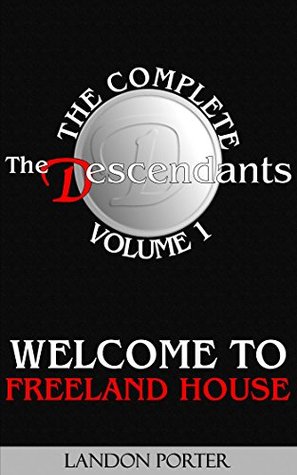
The Descendants Volume 1

24241603I first discovered comic books in the early 90s. I was a huge fan of the X-Men and Batman: The Animated Series and my brother, whose sports collectibles shop sold comics as well, shipped me some unsold issues of various comics. Although I first came to comics in the 90s, I became quickly addicted and through the use of my local library and back-issue bins, quickly began devouring older stories from the Silver and Bronze Age. And of the comics I read, the Bronze Age ones were undoubtedly my favorite.

For those who aren’t aware, the Bronze Age of comics generally refers to the period between 1970-1985. There was also a mixture of darker, more socially relevant storytelling. This is the era that brought us such classic stories as The Dark Phoenix Saga, The Night Gwen Stacy Died, Snowbirds Don’t Fly, and Frank Miller’s groundbreaking run on Daredevil. But even with the darker stories, there still remained elements of the fun of the Silver Age stories (unlike comics that followed and continue to this day, where grim ‘n’ gritty is used as a shortcut for good storytelling).

It’s clear that Landon Porter and I are cut from the same cloth, because The Descendants definitely follows in the mode of those stories. The group of young superhumans we meet in Welcome to Freeland House have some been through some trying situations, but they still maintain their youthful exuberance and act just as any other teenage kid would act. And like the Bronze Age comics of old, Porter gives us short, self-contained stories with larger story-arcs playing in the background.

Porter proves himself a master of the serial format, expertly weaving in and out the multitude of character arcs and plotlines that never drag on for a page longer than they should.

Some of the story elements didn’t win me over as much. I didn’t quite understand why the story was set in the future as the setting seemed like it could easily be the modern-day. I also wasn’t very fond of the non-powered friends of Warrick and Cyn. But the interactions of the residents of Freeland House, particularly Warrick and Cyn, more than make up for these weaker points.

Pick up The Descendants Complete Collection Volume 1: Welcome to Freeland House from Amazon or read it in serial format at the website.

If you’re looking for more superhero action, check out my Vanguard serial (issue #4 coming out Monday, April 20th!).

New, upcoming releases and events!

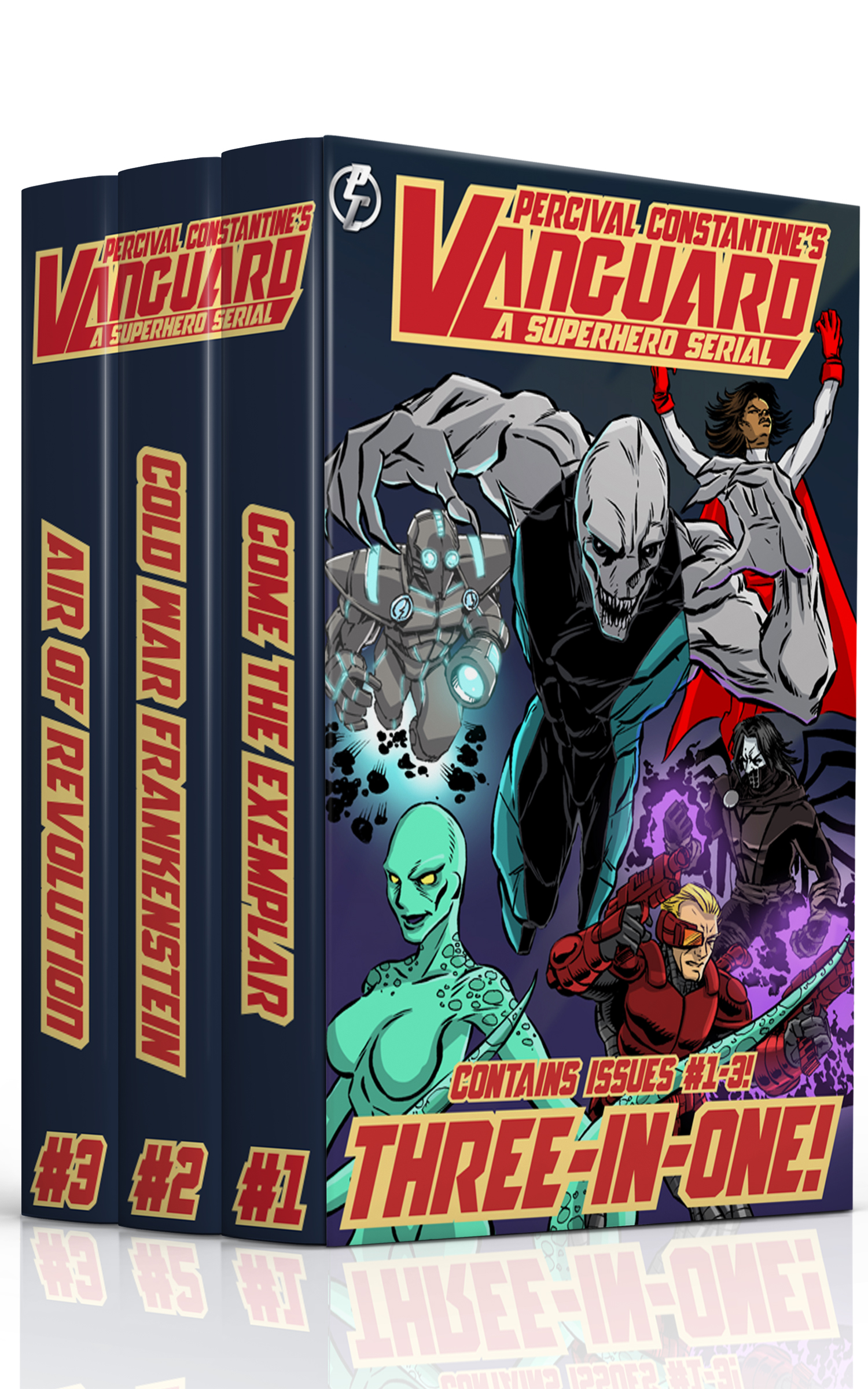
Vanguard Bundle 001-003There are some new things coming up very soon!

For starters, I wanted to let everyone know that Vanguard #3: Air of Revolution is now available exclusively at Amazon and on Kindle Unlimited!

Also this Tuesday, March 31st, will see a special Facebook event, called Meet the Serial Killers! This event will feature several authors of serialized fiction, offering discounts and exclusive giveaways all day!

The event is organized by Podcast 451 and Cheap Serials.

I will be at the event from 3-4 PM PST alongside Josh St. John, author of Acorn 666. The box set you see pictured at the top of this post is for the first three episodes of Vanguard and this will be available as a giveaway. I’m also planning to have more giveaways ready on the event, but you have to turn up for the event to be eligible to win!

The event will also feature C.C. Wall (Black Star Canyon), David Wright (Yesterday’s Gone), Rachel Medhurst (Avoidables), Grae Lily (Marked as Prey), Renna Peak (Mistaken), Sherry Soule (Spellbound), M.F. Wahl (Disease), Guido Henkel (Jason Dark), Jane Stein (Renaissance Fair), Sibley Jackson (The Performance), Rex Carpenter (The Fixer), and A.E. Hodge (So Damned Beautiful). It promises to be a lot of fun so join in!

Second, the third Myth Hunter book, Curse of the Necronomicon, is now available for pre-order! It’s scheduled for release on June 22nd, so pre-order it now to get it delivered straight to your device of choice on release day!

Third and finally, Amazing Adventures, the four-book box set featuring my book, The Lost Continent as well as Derrick Ferguson’s Dillon and the Last Rail to Khusra, Mark Bousquet’s Gunfighter Gothic: Under Zeppelin Skies and Joel Jenkins’ On Wings of Darkness will only be available until March 31st! If you haven’t picked up this box set yet, this is your last chance, so don’t miss out!

Nothing Found

Nothing Found

Nothing Found

Final thoughts on Clean Reader

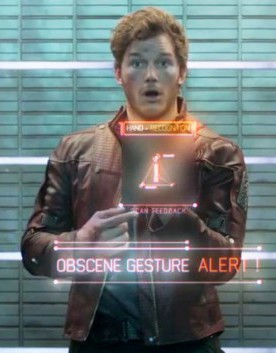
NEqyWj0clSKUur_2_a-670x353NOTE: I know Chuck Wendig used a similar Peter Quill image in his excellent “Fuck You, Clean Reader: Authorial Consent Matters” post (which you should read), but there’s really no more perfect image to use.
Recently, an app called Clean Reader appeared on the market, selling books with a filter that removes all the “profanity.” I put “profanity” in quotes, because what Clean Reader defines as profanity contains a heavy conservative Christian (and some would convincingly argue) sexist bias. Phrases like “Oh my God!” or “Jesus Christ!’ are considered “profanity” by Clean Reader. As are medical terms like penis, vagina, and anus. And while “penis” is changed to “groin,” “vagina” and “anus” are both changed to “bottom.” Because you know, an anus and a vagina are totally the same thing.

Clean Reader was built by a Christian couple who claim their daughter was upset at having read swears in a book (my guess is they were the ones who were upset, but that’s another story). So they partnered with Page Foundry to produce this app.

And here’s the big problem—Clean Reader acted as a storefront.

Because I distribute my books to Page Foundry, they decided they would also make my books available through Clean Reader. But Page Foundry never contacted me to ask if it’s okay if my books were listed on Clean Reader. They didn’t even send me a notification or give me the choice to opt-out.

Page Foundry and Clean Reader made the decision to list my books without my approval. That’s disrespectful. And borderline illegal.

“But wait! How is this any different from a reader taking a sharpie to your print book?”

That’s the argument some have made in defense of Clean Reader and it doesn’t work for a few reasons.

1. Print books are physical media. Ebooks are digital media. When you buy a print book, you own that physical copy. When you buy an ebook, you don’t own that ebook—you own a license to view the ebook.

2. You can’t sell copies of that censored book without the author’s permission. Sure, you could sell it once, but once you’ve made that sale, you’ve transferred ownership to someone else and can’t sell another copy.

And that’s the big deal—authorial consent, as Chuck discussed in his post. If Clean Reader were simply an after-market app that people could load their ebooks into, I wouldn’t really care. I’d still think it was pretty fucking stupid—it’s not like there’s a shortage of books for conservative Christians—but whatever.

My problem is that Clean Reader sold my books in their store. That gives the impression that I consented to this practice. I do not. And I do not want these people making money off my work.

Imagine if there was the opposite. A filter app that altered Christian fiction to remove all mention of God or Jesus or to replace them with Satan. I imagine the authors of those Christian fiction books—and their fans—would be up in arms. And rightly so.

Page Foundry has since pulled their catalogue from Clean Reader after a massive author backlash. Which is lucky for Clean Reader, because if that didn’t happen, they might have gotten slapped with a lawsuit.

Don’t like profanity in your books, then don’t read books with profanity. Don’t like books that take your god’s name in vain, then don’t read those books. There are millions of books available in the world. If you don’t like mine, find ones that you do. Expecting books to be changed so they fit your worldview is stupid, narrow-minded, and arrogant.

No, we don’t need #ComicsGate

portrait_uncannyToday, I saw an interesting article over at Salon, titled “The new Gamergate: Angry white men are trying to shut down diverse comics.” In the article, Matt Binder takes down an article written on Breitbart.com by “journalist”/professional misogynist Milo Yiannopoulos. See, Milo is all pissed because Marvel has reimagined Thor as a woman.

This proves that Milo hasn’t actually read Jason Aaron’s excellent Thor comic. Because you see, there is no reimagining. Thor has not switched genders, he somehow became no longer worthy of lifting Mjolnir after something Nick Fury whispered to him during the Original Sin crossover (what Fury whispered still hasn’t been revealed).

Mjolnir was picked up by a woman, who the hammer deemed worthy and granted her the power of Thor. And then when the real Thor saw what kind of person she was and fully worthy of wielding the hammer, he gave her his blessing to use his name.

There hasn’t been any reimagining. There hasn’t been any gender-swapping. Male Thor is in fact still a major presence in the book. In fact, a recent issue featured him more than Mjolnir’s new bearer.

Milo would know this, if he had read Thor. Clearly he has not. But still, he bemoans the destruction of a cherished artform.

It should be noted that Milo was once extremely dismissive of gamers. But then once the misogynists who make up GamerGate came along, Milo saw an opportunity to spew his particular brand of vile. So all of a sudden, Milo went from mocking gamers to praising them for standing up to the dreaded feminists and “social justice warriors” who are totally ruining things for straight white men by not sitting down and taking whatever abuse the MRA crowd throws their way. Milo has also been dismissive of comic fans in the past and there is literally zero reason to believe he’s not trying to jump on this bandwagon out of shameless opportunism.

This isn’t the first time characters have swapped identities. That’s a tradition dating at least as far back as the Silver Age (since Milo has never read comics, I should inform him that the Silver Age is ostensibly believed to have begun in 1956 with the introduction of Barry Allen, taking over the mantle of the Flash from the Golden Age Flash, Jay Garrick). It’s also not the first time that minority characters have taken up the mantle of a well-established white male character. That dates back at least as far as the 70s when black men like Jim Rhodes and John Stewart took up the mantle of Iron Man and Green Lantern from their white male predecessors. It’s also not the first time that a woman has been shown to lift Thor’s hammer. Storm, Rogue, even Wonder Woman have all been shown to hold Mjolnir and gain the power of Thor.

Milo would know this, if he actually read comics. But clearly, he doesn’t.

One of the claims made in the Breitbart article (I’m not going to link to it because they don’t deserve the traffic) is that sales on Thor #4 were far lower than on Thor #1. For one thing, these are numbers of print copies ordered by the comic shops, they don’t necessarily reflect actual sales and don’t take into account digital copies. And two, it’s normal for comic shops to order far more issue #1s than issue #4s. The reason for this is simple—more people will buy the first issue of a comic because of its perceived value as a potential collector’s item.

Milo would know this, if he actually read comics. But clearly, he doesn’t.

More than that, notice how whenever a straight white guy steps into the mantle of another straight white guy, it’s never a gimmick to people like Milo? No, it’s only when a minority steps into the mantle that suddenly it becomes some evil SJW gimmick. To these people, it’s perfectly natural to imagine that someone could believe a different straight white male could fill the role as well as the first straight white male. But it is utterly inconceivable to them that anyone could believe a minority is capable of filling that role. That speaks volumes about their mindset.

Let’s also look at this whole notion of “gimmicks.” Whether or not it’s a gimmick doesn’t matter. Comics, like pretty much every form of entertainment out there, uses gimmicks.

The Avengers movie everyone loves so much? Guess what, that was a gimmick. So was rebooting the Batman films with The Dark Knight Trilogy. Hell, the entire reason Marvel Comics got started was because of a gimmick—Archie Goodwin told Stan Lee they needed a team of superheroes to compete with DC’s Justice League of America, and so Stan came up with Fantastic Four. And it was a gimmick—they were a team of superheroes who bickered with each other. Same thing with Amazing Spider-Man—not only was he a teenager headlining a solo book (teenagers were only supposed to be sidekicks back then), but he was a teenager who faced the same problems that normal teenagers faced. Nick Fury became the Director of SHIELD because Lee wanted to tap into the success of the James Bond films, so he created his own super-spy.

Speaking as a writer, there are lots of ideas I’ve gotten that were basically nothing more than “maybe this’ll be cool” or “maybe this will sell.” Whether or not something originates as a gimmick doesn’t matter. What matters is whether or not the execution is there. And Thor has been executed marvelously well.

Milo would know this, if he actually read comics. But clearly, he doesn’t. He never has and he likely never will. He is not a fan and true comic fans should rebuff his attempts to co-opt out passion for his own twisted, misogynist agenda.

Take your sexist bullshit somewhere else, Milo. We want none of it.

The POWER/RANGERS Debacle

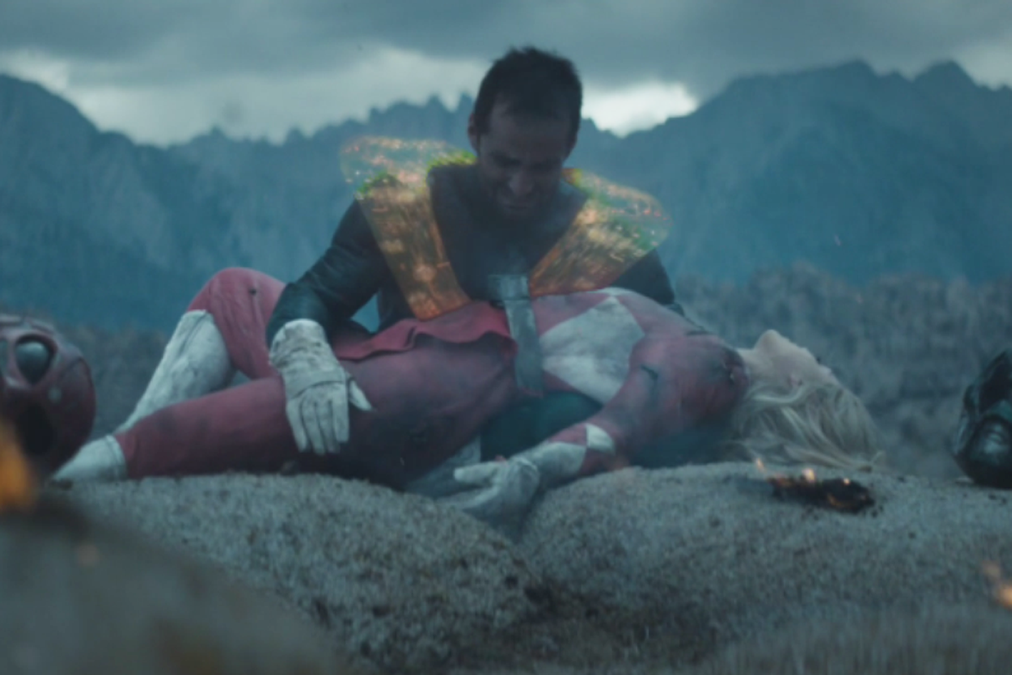
PowerRangersfanfilm_article_story_largeSo there’s this new fan film out now called Power/Rangers. It’s around fifteen minutes long and features a grim and gritty reimagining of Saban’s Mighty Morphin’ Power Rangers and stars Katee Sackhoff as Kimberly and James Van Der Beek as Rocky. SCG Power Rangers LLC, the company that owns the rights to the property, demanded it be taken down.


Adi Shankar, who created the short, isn’t backing down. In a response, he wrote: “I consider this an outright infringement on freedom of expression and individualism. … Films like my Power/Rangers ‘Bootleg’ are vital expressions of creativity in our troubled world. If we suppress this creativity and become passive participants in the consumption of the culture we live in, we implicitly allow a dangerous precedent to be set for the future of the internet.”


Some of the Internet chatter around this has thrown accusations at Haim Saban that his reaction to Power/Rangers is nothing more than jealousy that he can’t make something as good as this, or that he’s envious of all the attention it’s getting. To which I respond with three simple words: It. Doesn’t. Matter.


Saban and Power Rangers LLC own the rights to these characters. These are their toys. And if they don’t want anyone else to play with them without their express permission, then guess what? That’s their right! People have claimed that Saban is “whining” about this, but I say that Shankar is the real whiner here. He’s coming out and saying that he should have the right to use characters he doesn’t own in any way he sees fit, and if the copyright holders tell him to stop, then that’s stifling creative freedom. What about the freedom to control the properties you own? Why is that freedom not important to Shankar?


I’ve written fanfic, so I get Shankar’s desire to create something with characters he has a passion for. But every time you commission an unauthorized work featuring characters you do not own—regardless of whether or not it’s for profit—you run the risk of pissing off the people who own those properties. And if they tell you, “we don’t like what you’re doing with our characters, take it down,” then you have an obligation to respect their rights.


Growing up watching the Power Rangers doesn’t grant you ownership over them that supersedes the rights of the people who actually own the intellectual property. And no, just because you’re not making money off it doesn’t give you the right to do whatever you want.


But beyond that, there’s a larger question of appropriateness. Power Rangers is a show for children. And it’s still around today. Imagine you’re a parent and your kid is a fan of Power Rangers. He goes online and Googles Power Rangers and this video pops up. You walk in on him and see him watching a video where the Black Ranger is in bed with topless women (depending on which version you saw), where comic relief characters Bulk and Skull are portrayed as meth addicts, and where people are being murdered in bloody, gratuitous ways. How would you react? My guess is you’d be pretty pissed. I know I would be if I found out my young nephew stumbled upon this.


In the past, when kids would grow into adults, they would leave behind those books, movies, and TV shows that no longer appealed to them as adults. You don’t see anyone who grew up with Hanna-Barbara cartoons demanding that the cast of Scooby Doo be updated to portray Scooby and Shaggy as heroin addicts, Fred snapping the necks of their antagonists, or topless scenes of Velma and Daphne.


This demand a lot of modern-day fandom has for properties they enjoyed as kids to be updated as grim, gritty and violent is something I just do not understand. And hey, I love grim and gritty, I love violent movies and shows. My favorite directors include Quentin Tarantino and Takashi Miike and I think Breaking Bad is one of the greatest TV shows ever created.


But those things were created for adults and were meant to be enjoyed by adults. Power Rangers was created for kids. It’s bright, it’s colorful, it’s campy. It doesn’t need to be turned into nightmare fuel.


If Shankar wanted to create his own violent property that draws influences from Power Rangers, I’d have no problem with that. Because that’s his own original property and influences come from anywhere and everywhere. When Guillermo Del Toro wanted to do something that was inspired by Godzilla or Voltron, he didn’t just make a movie with those characters—he drew influences from those things to come up with Pacific Rim. But to just outright steal a kids’ property and twist it into something completely unrecognizable isn’t only a slap in the face to the rights of the owners of Power Rangers, it’s just flat-out crass.


If you enjoyed Power Rangers as a kid and now find it cheesy or campy or uninteresting, then guess what? That property is no longer for you. Leave Power Rangers for the next generation of kids and move on to find something that appeals to your adult sensibilities. There’s certainly plenty of adult-oriented sci-fi material out there to choose from. But don’t demand that Power Rangers grows up with you—that’s just selfish.